A lattice telecoms mast silhouetted against an orange sunset sky with low cloud.

For CISOs, network security leads, CTOs, heads of core network, content security leads and the boards of operators, ISPs, broadcasters and streaming platforms

Quantum risk in telecoms, media and broadcasting

Every other sector's migration runs over your network. Yours has to come first.

In fifteen minutes you will know which subscriber, signalling and content data is already exposed to harvest now, decrypt later collection, what NIS2, the UK Telecommunications Security Code of Practice, GSMA and 3GPP expect of an operator and by when, and the first 90 days of a plan your board and your regulator can both read.

  • Your exposure, interface by interface
  • The dates that apply to core, transport and customer layers
  • A plan the board and Ofcom or your national authority can read
  • The right training for each role
1,500+
professional members
900+
organisations represented
40+
countries
Vendor-neutral
based on evidence, not hype

Proud to recommend our expert members

Qrypto Cyber
Eclypses
Arqit
QuantBond
Krown
Applied Quantum
Quantum Bitcoin
Venari Security
QuStream
BHO Legal
Census
QSP
IONQ - ID Quantique
Patero
Entopya
Belden
Atlant3D
Zenith Studio
Qudef
Aries Partners
GQI
Upperside Conferences
Austrade
Arrise Innovations
CyberRST
Triarii Research
QSysteme
WizzWang
DeepTech DAO
Xyberteq
Viavi
Entrust
Qsentinel
Nokia
Gopher Security
Quside
QIZ
Global Quantum Intelligence
Strands of optical fibre glowing with purple and blue points of light against a dark background.
Recorded at the interconnect. Read a decade later.

Step 1 of 5

Know which subscriber, signalling and content data is already exposed

An operator carries the traffic an adversary most wants to record: who called whom, where every handset was, which roaming partner authenticated it, and the keys that let a SIM prove it is genuine. The GSMA's own impact assessment of February 2023 put it plainly: a recording made today of traffic protected by RSA or elliptic-curve key exchange is readable once a cryptographically relevant quantum computer exists. The SIM key that authenticated a subscriber in 2026 may still be in that handset in 2034. The location history it unlocks never stops being sensitive.

Telecoms and media data that must stay confidential beyond the post-quantum deadlines
Data typeHow long it is kept or stays sensitiveConfidential until, if created in 2026
Subscriber communications data under a retention notice (UK Investigatory Powers Act 2016, section 87)Retention capped at 12 months; the sensitivity of who contacted whom lasts the subscriber's lifetimeRetention ends 2027; exposure runs for decades
Lawful intercept product and the warrants behind itLife of the investigation, the source and the method; the existence of a warrant is itself protected2050s and beyond
SIM and eSIM long-term keys and the authentication vectors they produceLife of the SIM profile, routinely five to ten years; every session recorded in between is readable once the key is2031 to 2036, plus all traffic recorded on the way
Signalling and roaming records: Diameter, SS7 and N32 location and authentication exchangesLocation history is sensitive for as long as the person it describes is aliveLifetime of the subscriber
Traffic and billing data (ePrivacy Directive 2002/58/EC, Article 6(2))Until the bill can no longer be challenged or payment pursued, then under tax and accounting rules2033 to 2036 in most jurisdictions
Content masters, pre-release material and rights contractsThe commercial life of the rights window; library and archive content for decades2046+ for library content
Network configuration, topology, PKI roots and interconnect keysThe life of the network generation; a 5G core deployed now runs into the late 2030s2036+

Retention periods from the Investigatory Powers Act 2016, section 87 and Directive 2002/58/EC, Article 6. SIM profile lives, rights windows and network generations are typical, not statutory. Map your own retention schedules and rights registers.

Where your exposure sits, and what you will know

Operators seated at rows of desktop screens facing a wide wall display in a modern control room.

Core and signalling

The 5G service-based architecture runs on TLS between network functions and on N32 between SEPPs at the roaming edge, all of it anchored in RSA or ECDSA certificates. Diameter and SS7 interconnects still carry location and authentication data for 4G and earlier. A recording at the interconnect is a recording of your subscribers' movements.

You will know which core interfaces can take hybrid TLS or IPsec now, which wait on 3GPP Release 20, and what to ask each roaming partner for.

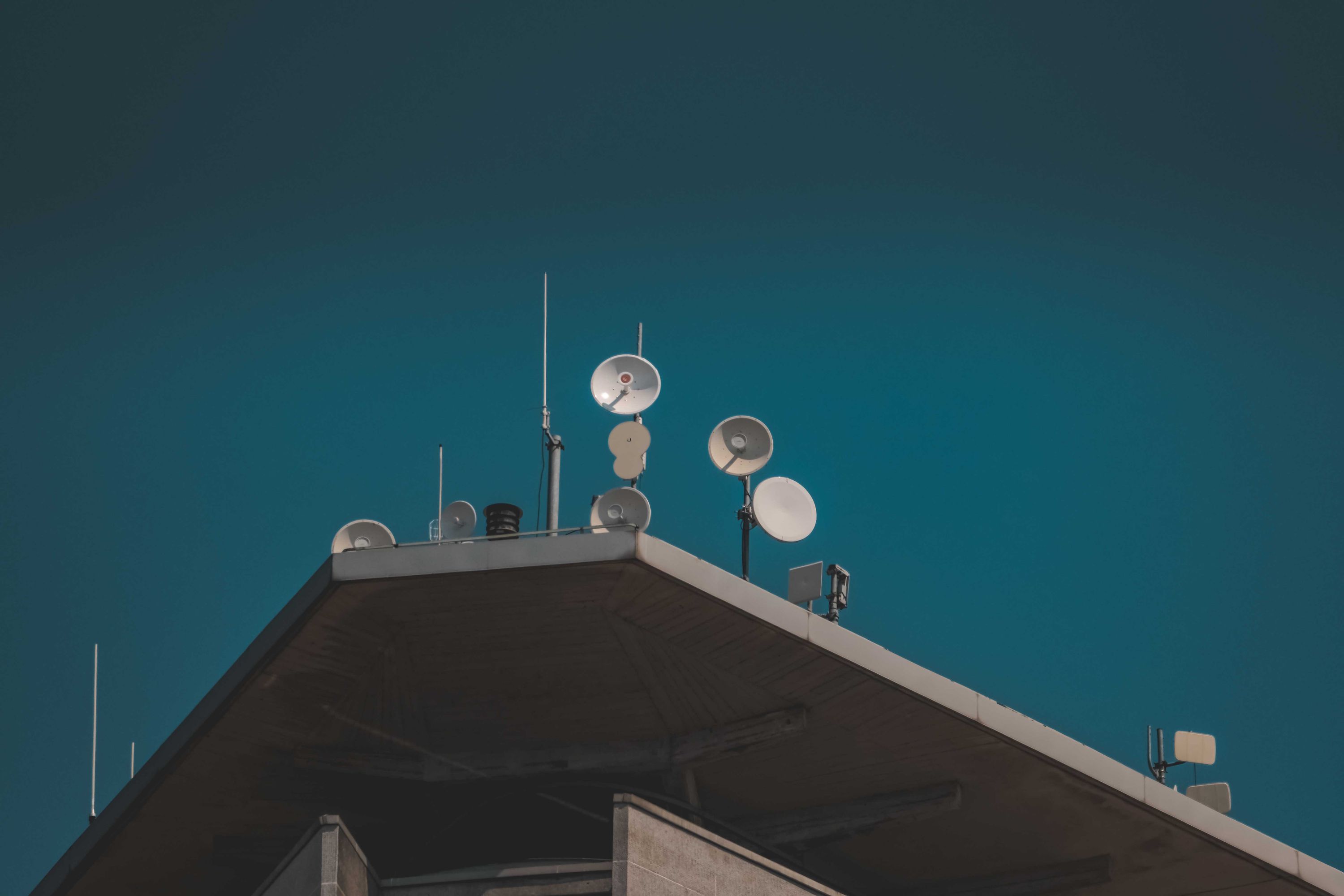
Microwave dishes and antenna poles mounted on the ridge of a rooftop against a deep teal sky.

Access and transport

Backhaul and fronthaul rely on IPsec with IKEv2, MACsec and optical-layer encryption whose key exchange is quantum-vulnerable. Microwave and fibre links across a national network were installed on ten- to fifteen-year refresh cycles, and gNB certificates are issued by a PKI that has to migrate too.

You will know which transport links can take a hybrid IKEv2 upgrade in the next maintenance window, which need new hardware and where a QKD pilot earns its cost.

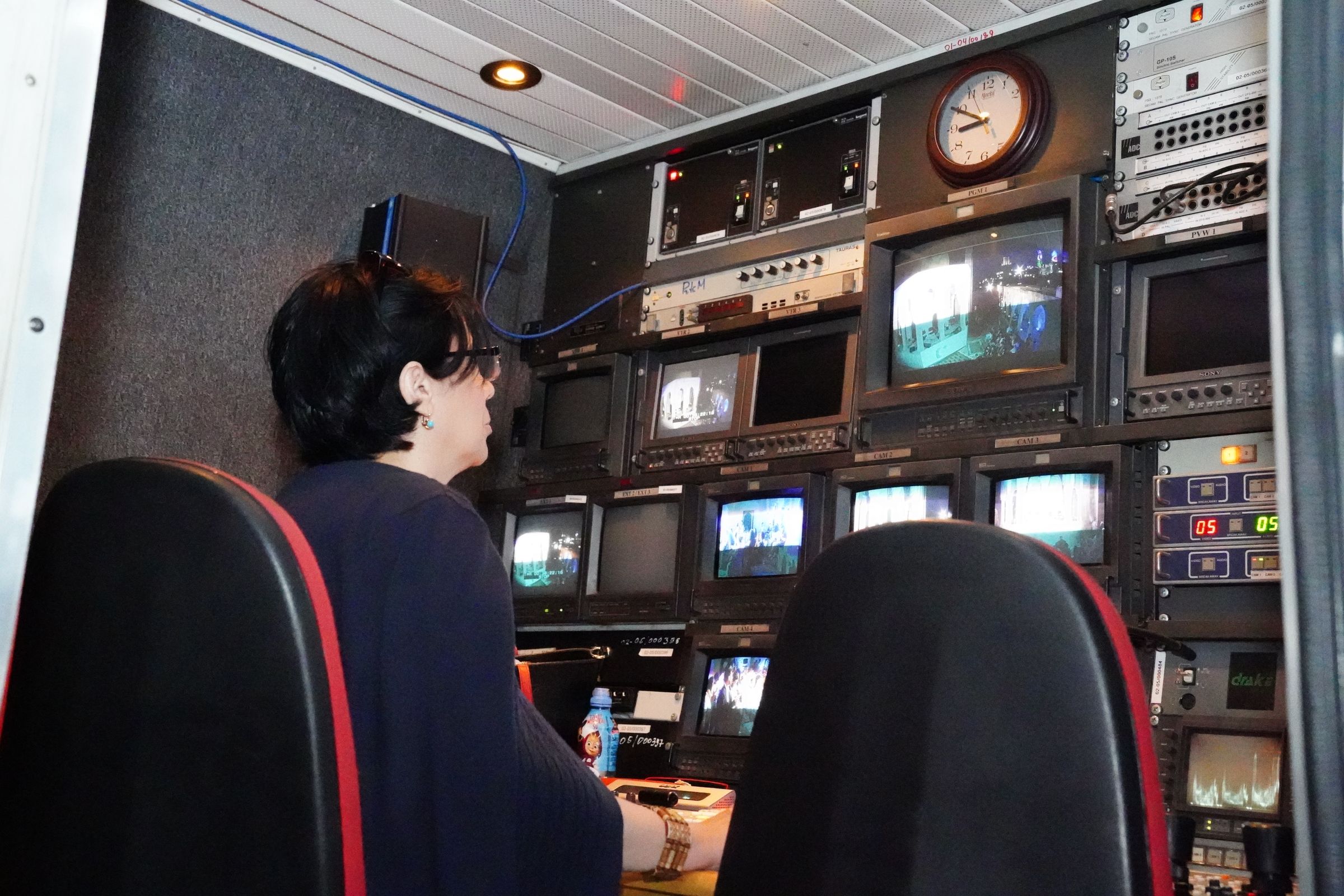
A technician seated at a broadcast control desk in front of racks of video monitors and switching equipment.

Customer and content

SIM and eSIM provisioning, SUCI concealment of the subscriber identifier, DRM licence servers, CDN edge TLS and the firmware in millions of routers and set-top boxes all depend on public-key cryptography you do not fully control. The EU Cyber Resilience Act reaches every one of those devices from 11 December 2027.

You will know which customer-facing cryptography is yours to change, which belongs to a SIM vendor, a DRM provider or a CDN, and what each contract needs to say.

Free readiness check

Score your network in two minutes

Eight questions mapped to what NIS2, the UK Telecommunications Security Code of Practice, the GSMA guidelines and your board will ask. You get a score, your top three priorities and the next step that closes your biggest gap. Nothing is sent anywhere.

Start the check
1Do you have a cryptographic inventory that covers core, transport, RAN, interconnect and customer-facing systems, not just corporate IT?

The GSMA's PQ.01 impact assessment of February 2023 names the cryptographic inventory as the first step, and 3GPP's own TR 33.938 catalogues the algorithms in the 5G standard for exactly this reason.

2Have you mapped which data must stay confidential beyond 2030 against the algorithms protecting it today?

Subscriber location history, lawful intercept product and content masters stay sensitive for decades. Traffic recorded now is exposed the day a cryptographically relevant quantum computer arrives.

3Do you know where each 5G interface sits against 3GPP Release 20 and the GSMA PQ.03 use cases?

TR 33.703 reaches version 20.1.0 in September 2026 and Release 20 is expected to freeze by mid-2027. Some interfaces can move on IETF profiles now; others wait for 3GPP.

4Have you asked your network equipment vendors, SIM suppliers, DRM and CDN providers for their PQC roadmaps, and put the question into contracts?

The UK Code of Practice puts third-party supplier measures on all contracts by 31 March 2027. A roadmap you have not asked for does not exist for audit purposes.

5Is there a named owner and a budget line for post-quantum migration?

Operators without an owner stall at the inventory stage and miss the refresh cycle that could have carried the change for free.

6Has the board been briefed on quantum risk in the last 12 months, in terms of NIS2 and the Telecoms Security Act rather than physics?

Ofcom can fine a UK provider up to ten per cent of turnover, or £100,000 a day for a continuing breach, and NIS2 competent authorities now ask operators about their cryptography policy. The board owns that answer.

7Do you know where each roaming partner, interconnect carrier and content delivery partner stands on PQC?

N32, Diameter and CDN TLS only migrate when both ends do. Your subscribers' data crosses networks you do not run.

8Could you change the algorithm in your PKI, your IPsec gateways and your SIM provisioning without re-engineering them?

Crypto-agility decides whether migration fits one refresh cycle or three. ML-KEM public keys are over a kilobyte; some signalling messages were not designed for that.

Step 2 of 5

Know what NIS2, the UK Code of Practice, GSMA, 3GPP and CNSA 2.0 expect, and when

  1. 2022

    The clock starts

    NSA publishes CNSA 2.0 in September with dates for traditional networking equipment. The UK Electronic Communications (Security Measures) Regulations take effect on 1 October and the Telecommunications Security Code of Practice follows on 1 December.

  2. 2023

    The industry maps the problem

    The GSMA's Post Quantum Telco Network Task Force publishes PQ.01, its impact assessment, on 17 February, asking every operator for a cryptographic inventory and a transition plan. ETSI issues the Common Criteria protection profile for QKD modules, GS QKD 016, in April, revised in January 2024.

  3. 2025

    Dates and guidelines land

    UK Tier 1 providers had until 31 March 2024 and Tier 2 until 31 March 2025 for the first group of Code of Practice measures. The NCSC publishes its migration timeline on 20 March. The EU's coordinated roadmap follows on 23 June. GSMA PQ.03 version 2.0, the use-case guidelines, has been out since October 2024.

  4. 2026 to 2027

    Standards and the law catch up

    CNSA 2.0 expects networking equipment to support and prefer quantum-resistant algorithms from 2026. 3GPP TR 33.703 on transitioning to PQC reaches version 20.1.0 in September 2026 and Release 20 is expected to freeze by mid-2027. The UK Code of Practice version 1.1 of 14 July 2026 names the quantum threat. EU Member States need national PQC roadmaps by the end of 2026; the Cyber Resilience Act's main obligations apply from 11 December 2027.

  5. 2030

    Networking equipment exclusive

    CNSA 2.0 moves traditional networking equipment to quantum-resistant algorithms only. The EU roadmap wants high-risk use cases, including critical infrastructure, migrated by the end of the year. NIST deprecates RSA and ECC. 3GPP Release 21, the first that could carry PQC natively across the standard, is not expected before early 2029.

  6. 2035

    RSA and ECC disallowed

    NIST disallows quantum-vulnerable algorithms. The UK NCSC timeline and the EU roadmap, with as many systems as feasible migrated, both end here. Anything still running RSA or ECDSA at the interconnect is out of policy everywhere.

Key facts for telecoms, media and broadcasting, checked 30 October 2026

  • The Commission Recommendation of 11 April 2024 (C(2024) 2393) asks every Member State to adopt a national post-quantum strategy and to deploy post-quantum cryptography, hybrid where needed, across public administration systems and critical infrastructure. European Commission
  • The EU Coordinated Implementation Roadmap, published through the NIS Cooperation Group on 23 June 2025, asks Member States to start the transition and have national roadmaps in place by the end of 2026, to migrate high-risk use cases by the end of 2030 and as many systems as feasible by the end of 2035. European Commission
  • Securing Tomorrow, Today, the joint statement of cyber security agencies from EU Member States first issued in November 2024 and re-issued with further signatories in July 2025, treats the quantum threat as part of cyber security risk management now and calls for hybrid post-quantum deployment. BSI
  • NIS2, in force since January 2023 with a transposition deadline of 17 October 2024, extends the essential-entity rules to providers of public electronic communications networks and services alongside the digital infrastructure sector, and its Article 21 risk-management measures include policies on the use of cryptography and encryption. European Commission
  • Article 40(1) of the European Electronic Communications Code, Directive (EU) 2018/1972 of 11 December 2018, requires providers of public networks and services to take appropriate and proportionate technical and organisational measures, including encryption where appropriate, to manage the risks to the security of networks and services. Directive (EU) 2018/1972
  • The EU 5G Cybersecurity Toolbox, published by the NIS Cooperation Group in January 2020, includes TM02, ensuring and evaluating the implementation of security measures in existing 5G standards, and TM09, EU certification for 5G network components and customer equipment, giving eSIMs and related cryptographic material as the example. European Commission
  • The GSMA's PQ.01 Post Quantum Telco Network Impact Assessment Whitepaper, version 1.0 of 17 February 2023, takes 5G as its baseline architecture and asks operators to build a cryptographic inventory and develop a post-quantum cryptography transition plan. GSMA
  • GSMA PQ.03, Post Quantum Cryptography Guidelines for Telecom Use Cases, version 2.0 of 4 October 2024, sets out a phased migration and works through use cases including physical SIM, remote eSIM provisioning, 5G transport security, lawful intercept and retained data, SD-WAN, IoT and the privacy of customer data. GSMA
  • 3GPP SA3 has catalogued the cryptography in the 5G standard in TR 33.938 and is studying the transition in TR 33.703, Study on transitioning to Post Quantum Cryptography in 3GPP, Release 20, which reached version 20.1.0 in September 2026. SA3 has also added 256-bit algorithm sets, SNOW 5G, AES and ZUC, in TS 35.240 to TS 35.248 for Release 20. Release 20 is expected to freeze by mid-2027 and Release 21 to complete not before early 2029. 3GPP
  • ETSI GS QKD 016 V2.1.1 of January 2024 is the Common Criteria Protection Profile for a pair of prepare-and-measure QKD modules, produced by the ETSI QKD Industry Specification Group, and gives an operator the evaluation basis to ask of any QKD vendor. ETSI
  • The UK Electronic Communications (Security Measures) Regulations 2022 came into force on 1 October 2022 and the Telecommunications Security Code of Practice on 1 December 2022. Ofcom monitors and enforces compliance, with fines of up to ten per cent of turnover or, for a continuing contravention, £100,000 a day. UK Government
  • Version 1.1 of the Telecommunications Security Code of Practice, published 14 July 2026, notes under encryption and the protection of data that approved algorithm standards may change as new ones are introduced and old ones deprecated in response to the threat to cryptography from quantum computing, and that NCSC algorithm profiles may change too. UK Government
  • The CNSA 2.0 FAQ sets support-and-prefer by 2026 and exclusive use by 2030 for traditional networking equipment such as VPNs and routers, and 2033 for web, cloud, operating systems, niche equipment and custom or legacy applications. NSA
  • The UK NCSC timeline of 20 March 2025 asks organisations to complete discovery and an initial migration plan by 2028, carry out the highest-priority migration by 2031 and migrate all systems, services and products by 2035. UK NCSC
  • The EU Cyber Resilience Act entered into force on 10 December 2024. Its reporting obligations apply from 11 September 2026 and its main obligations on manufacturers of products with digital elements, which is what a router, a set-top box or a connected receiver is, from 11 December 2027. European Commission
  • The final NIST IR 8547, published 27 October 2026, deprecates quantum-vulnerable public-key cryptography after 2030 and disallows it after 2035, and says that window does not alter the earlier deadlines for high value assets. NIST
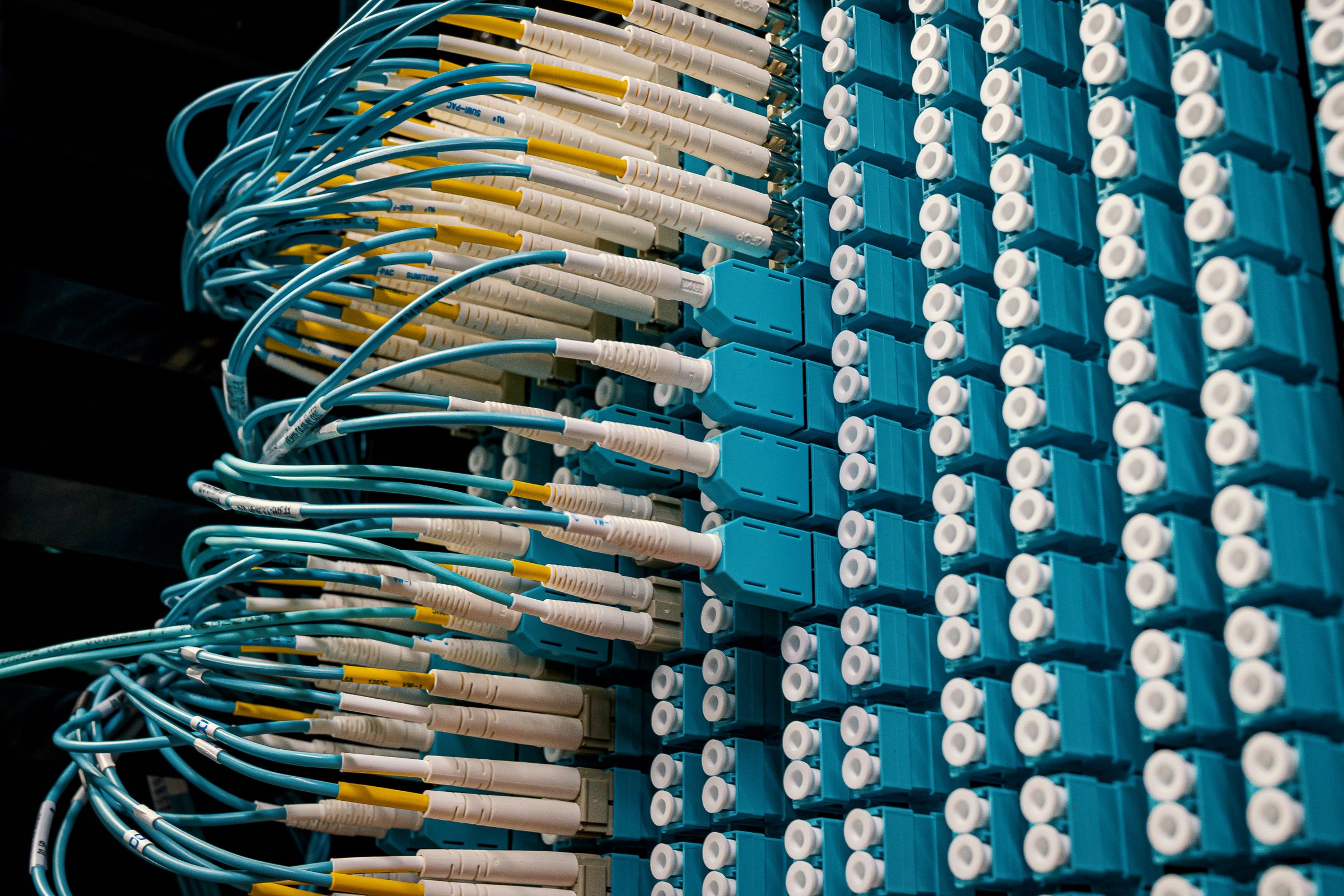
Teal fibre optic patch cables plugged into rows of connectors on a patch panel.

The evidence you will be able to show

GSMA PQ.01 and PQ.03

An inventory and a use-case map

You show: A cryptographic inventory across core, transport, RAN, interconnect and customer systems, with each interface placed in a GSMA PQ.03 use case and its migration path recorded.

NIS2 Article 21 and the UK Code of Practice

A cryptography policy that names the dates

You show: A policy on the use of cryptography that records the algorithms in use, the deprecation dates that apply to them and the plan to replace them, ready for a competent authority or Ofcom.

Code of Practice third-party measures, 31 March 2027

Suppliers and partners who have answered

You show: PQC roadmaps on file from each network equipment vendor, SIM supplier, DRM and CDN provider and roaming partner, and the question written into contracts.

EU roadmap and NCSC timeline

A named lead and a dated plan

You show: A migration lead, a transition plan with the end-2026, 2028, 2030 and 2031 milestones, and a first hybrid pilot on a live interface with results.

Strands of optical fibre glowing with purple and blue points of light against a dark background.

UK providers. The Telecommunications (Security) Act 2021 put security duties into the Communications Act, the Electronic Communications (Security Measures) Regulations 2022 took effect on 1 October 2022 and the Code of Practice on 1 December 2022. The first group of measures was due by 31 March 2024 for Tier 1 providers and 31 March 2025 for Tier 2, third-party supplier measures reach all contracts by 31 March 2027 and the final group lands by 31 March 2028. Version 1.1 of 14 July 2026 adds the first explicit reference to the quantum threat to cryptography. Pair it with the NCSC timeline: discovery and a plan by 2028, highest-priority migration by 2031, complete by 2035. Read the NCSC position explained.

Broadcasters and streaming platforms

Content protection chains run on public-key cryptography from the licence server to the set-top box, and the content they protect keeps its value for decades. The major DRM systems had not published post-quantum roadmaps when we last checked, so the question has to come from you. Broadcasters already vet suppliers against EBU R 143, Cybersecurity for media vendor systems, software and services, version 3 of March 2025; add a PQC roadmap question to the same tender checklist. The Cyber Resilience Act reaches every connected receiver you ship from 11 December 2027. Read the CRA analysis.

Satellite and non-terrestrial networks

LEO constellations, ground segments and inter-satellite links use the same key exchange as the terrestrial core, with a longer hardware life and a harder upgrade path. Several of the lectures below cover quantum-secure satellite communications, and the sector course on LEO networks and ground segment security maps the migration. See the satellite telecoms course.

QKD on operator fibre

Governments across Europe are funding QKD networks over operator fibre, and several QSECDEF members have built them. QKD can distribute keys between two fixed points; it does not authenticate a handset, sign firmware or protect a roaming exchange. The NCSC, BSI and ANSSI all put post-quantum algorithms first. Treat QKD as a revenue line and a complement for specific high-value links, not as the migration. Read where QKD makes sense.

Step 3 of 5

Build a plan your board and your regulator can read in 90 days

By day 30

It has an owner and a scope

  • A PQC migration lead and an accountable sponsor on the executive team.
  • Inventory scoped to the 5G core, N32 and Diameter interconnects, IPsec backhaul, PKI, SIM provisioning and the content protection chain.
  • Data types mapped to retention periods, rights windows and the algorithms in use today.
By day 60

You have the evidence

  • Discovery running and the cryptographic inventory started, with each interface placed in a GSMA PQ.03 use case.
  • A PQC questionnaire with every network equipment vendor, SIM supplier, DRM and CDN provider.
  • Dependencies on roaming partners, interconnect carriers and content partners recorded.
By day 90

Your board has a plan to approve

  • Interfaces ranked by data lifetime, exposure and the standards timeline that governs them.
  • Hybrid ML-KEM key exchange piloted on one N32 or backhaul link.
  • A roadmap with 2027, 2030 and 2035 milestones, ready for sign-off.
Who will deliver it? See step 4 →

The five numbers to show your board

  1. Inventory coverageThe share of core, transport, RAN, interconnect and customer-facing systems with a completed cryptographic inventory.
  2. Exposed dataThe subscriber, signalling and content data that must stay confidential beyond 2030 and still crosses RSA or ECDSA key exchange.
  3. Supplier readinessHow many network, SIM, DRM and CDN suppliers and roaming partners have a PQC roadmap on file.
  4. Interfaces waiting on standardsHow many interfaces can migrate on IETF profiles now, and how many wait for 3GPP Release 20 or a vendor.
  5. Plan statusBudget committed and milestones met against the 2027, 2030 and 2035 dates.

How to phase the spend, 2026 to 2035

  1. 2026Discover and mapOwner, inventory, data-lifetime map, use-case placement and the supplier questionnaire, before the EU's end-2026 roadmap date and in step with the GSMA PQ.01 recommendations.
  2. 2027Contracts and pilotsPQC roadmap clauses on every supplier contract, in line with the UK Code of Practice's 31 March 2027 third-party date. Hybrid TLS and IKEv2 pilots on one interconnect and one backhaul link. Watch the Release 20 freeze and the Cyber Resilience Act from 11 December 2027.
  3. 2028 to 2030Core, transport and interconnectNCSC discovery and plan complete by 2028. Backhaul, PKI and the service-based architecture migrated on hybrid profiles, networking equipment on quantum-resistant algorithms only by 2030, N32 and Diameter migrated with each roaming partner. EU high-risk use cases complete by the end of 2030.
  4. 2031 to 2035Customer and contentSIM and eSIM profiles rotated as they refresh, DRM and CDN chains migrated with their providers, legacy interconnects retired. Everything else before RSA and ECC are disallowed in 2035.

Dates from the NCSC timeline, the EU roadmap and the 3GPP SA3 PQC update. For budget ranges, see our PQC migration cost benchmarks.

Free tools to do it this quarter

Need help delivering the plan? Our expert members are peer-reviewed suppliers, integrators and advisers. Meet the expert members →

Step 4 of 5

Equip the people who will deliver it

A migration succeeds or stalls on people. Match each role to the outcome you need from them.

For your migration lead

Your migration lead can run the programme to the 3GPP, GSMA and regulatory dates

  • Inventory and CBOM auditing across core, transport, RAN, interconnect and customer systems
  • Risk prioritisation by data lifetime, exposure and the standards timeline governing each interface
  • Crypto-agile architecture and GRC integration for NIS2 and Code of Practice evidence
  • Supplier and roaming-partner management and a tabletop exercise with your scenario

CPQCPM, Certified Post Quantum Cryptography Programme Manager. Ten hours live online over five weeks, small cohorts, delivered by Chris Basener of Argus Advisory and certified by QSECDEF. See the full course →

$1,450 a seat · $1,087.50 for members

QSECDEF training · CPQCPM

Watch the overview, then get the brochure, dates and costs

Your brochure, the next cohort dates and the costs are ready on the next page.

We use your email to send QSECDEF updates and news. See our privacy policy.

Board, executives and heads of regulatory affairs

Your board can challenge the plan and approve a multi-year budget with confidence.

Certified Quantum Business Professional

Self-paced, no physics background. Covers PQC, policy and PQC risk and migration management.

Free first session · included in membership

Get Session 1 free
Core network, signalling and security architects

Your engineers know where cryptography sits in the 5G stack, what 3GPP Release 20 and GSMA PQ.03 change, and which network functions migrate first.

PQC Migration for 5G Signalling and Authentication Protocols

Full day, 6 hours, professional level. 5G interface cryptographic dependencies, the 3GPP, GSMA, ETSI and NIST landscape, a facilitator-led analysis of a reference 5G core and migration sequencing for network functions.

Private delivery · certificate on completion

See the course
Security, risk and IT teams

Your teams understand the threat, the NIST standards and the migration dates before they start.

Introduction to Quantum Cyber Security

Six modules, 4 to 5 hours, certificated.

Free first module · included in membership

Get Module 1 free
Operators seated at rows of desktop screens facing a wide wall display in a modern control room.

Training the whole network and content team? Put everyone on one plan.

Team membership brings your board, migration lead, core network and content security teams up to speed together, tracks what each person has completed and certifies across the group. The courses above are included, plus 170+ expert lectures and the weekly call, and members pay less for CPQCPM. Related sector courses cover cryptographic inventory for telecoms operators, LEO and ground segment security, CDN and streaming infrastructure, DRM and content authentication, and archive integrity.

See team membership

Step 5 of 5

Compare notes with peers running the same networks and platforms

Members-only roundtables for CEOs, CTOs and CISOs at operators, network infrastructure providers and managed service providers, and for the technology and content security leaders of broadcasters, streaming platforms and publishers. They run under the Chatham House Rule and are facilitated by Anna Beata Kalisz Hedegaard, Founder of QSECDEF.

  • A frank read on where PQC migration is progressing across core, signalling, OAM and enterprise connectivity, and which elements are hardest to sequence against 3GPP timelines
  • How peers answer enterprise customers who are already asking for PQC-capable connectivity, and what the network supports today
  • Where the QKD investment case stands for an operator: the government co-funding, the architecture and whether an overlay adds or disrupts
  • What media technology leaders found when they reviewed their DRM, archive and CDN cryptography, and what they did about it
  • How to make quantum risk legible to a board that understands piracy and outages but has not connected either to cryptographic obsolescence
A QSECDEF symposium panel on stage in front of an audience
Practitioner panels, on the record
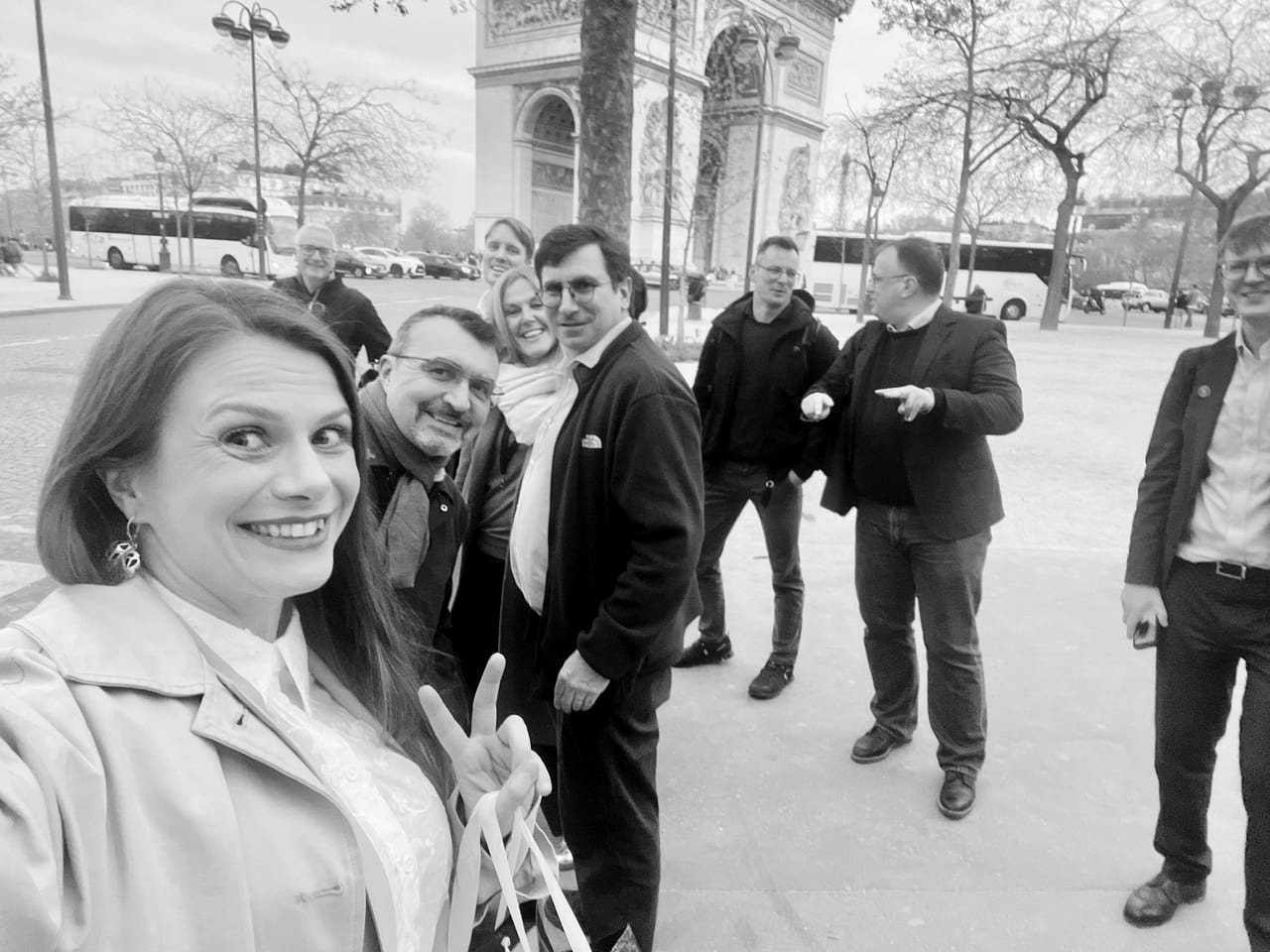
QSECDEF members and speakers together outside the Arc de Triomphe in Paris
Peers you can call afterwards
Panellists in discussion at a QSECDEF symposium
Questions taken from the floor
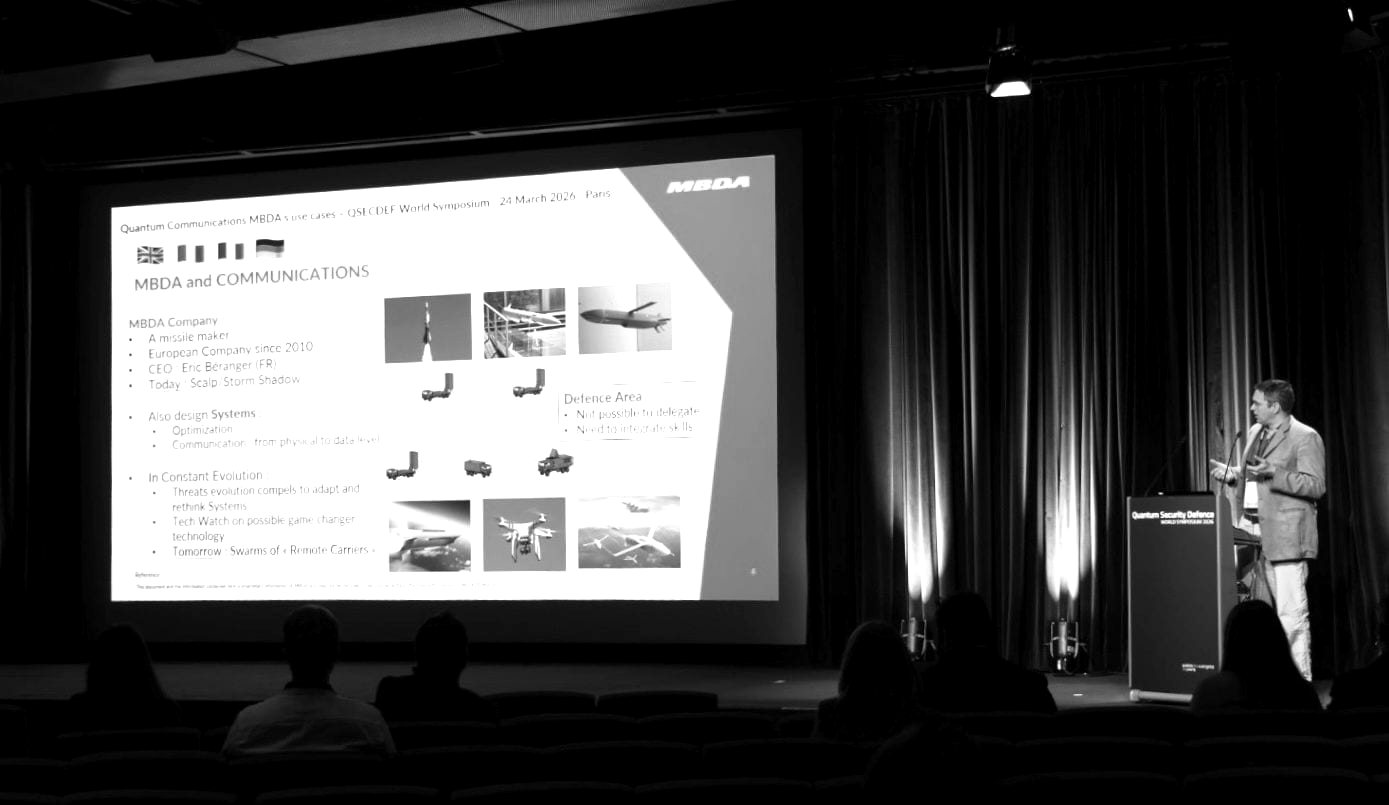
A speaker presenting slides at the QSECDEF World Symposium
Briefings on what is changing
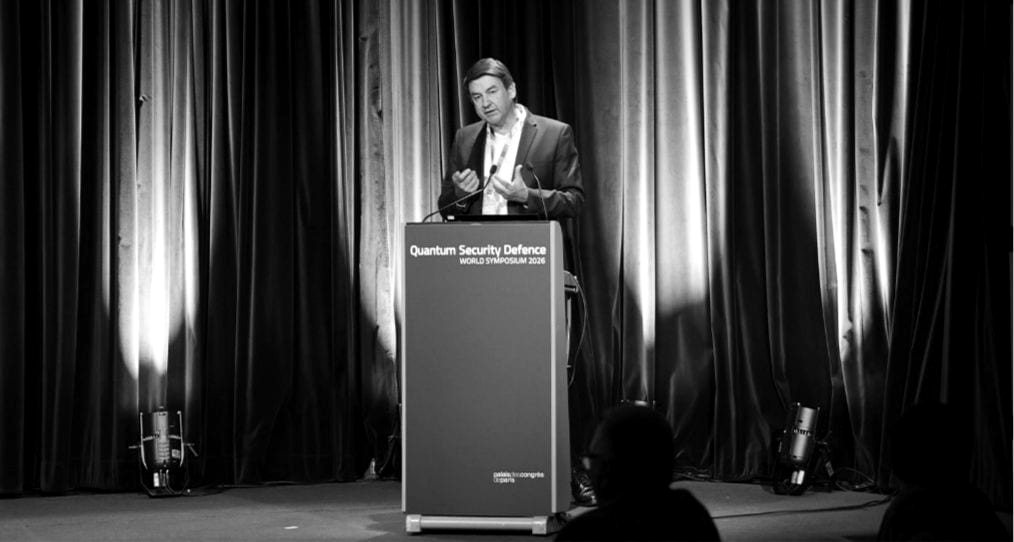
A keynote speaker at the QSECDEF World Symposium lectern
QSECDEF World Symposium, Paris

Lectures from people doing this work

Practitioner lectures from the QSECDEF library that matter most to operators, broadcasters and platforms: quantum-safe networks from Nokia, Vodafone and EXATEL, 5G security, QKD on live telecoms fibre, satellite links, cloud security and the inventory tooling that starts a migration.

Browse all expert lectures

Expert contributors represent leading organisations worldwide

Airbus Central R&T
Aireon
Airesatech
Ait
Appliedquantum
Arise Innovations
Arobs
Arqit
Asc Csa
Atlant3D
Bank of Ireland
Barak Azar
Basener Consulting
BHO Legal
Bitcoinqs
Bloq
Buckingham
CloudTech Group
Coherent Computing
Creotech
Cryptalabs
CyberProtonics
Cysec
Cystel
Deimos Space
Department of Digitalization
Dhbw
Dlr
Eclypses
Elpromaelectronics
Engineering
Enluzstrategy
Entrokey Labs
Eptalent
ESA
Esa
Euc
EXATEL
Finqbit
Fraunhofer
Georgetown
GQI
Helix Ft
Ibm
Idquantique
Jagiellonian University
Jos Quantum
Kets Quantum
Kit
Krown Technologies
Kwantumg
Lightriderinc
Linkedin
Lnu
Mbda Systems
Meetiqm
Merqury
Metrosert
Molket
Nicolaus Copernicus University in Torun
Nokia
Orcacomputing
Osi
Pantherun
Patero
Photonics Foundry
Q Ctrl
Qryptocyber
Qssys
Qticompany
Qtlabs
Quandela
Quant X Sec
Quant.Bond
Quantivate
Quantum Computing Inc
Quantum Dice
Quantumbrilliance
Quantumprime
Quantzen
Qubridge
Qudef
Quranium
Qustream
Reddixgroup
Slater Technologies
Smartcyber Group
Smoad
Sparkle
Swiss Financial Innovation Desk
Technology Innovation Institute (TII)
Thequantuminsider
Tobias Heindel
Tu Braunschweig
University College London
University of Bremen
University of Pisa
Venari Security
Veriqloud
Viavisolutions
Vodafone
Welinq
Wizzwang
Xairos
Youtube
Quside
QIZ
Global Quantum Intelligence
HYPATIA Smart Technologies
SAS
Triarii Research

Expert Membership

Builders, consultancies and technology vendors serving telecoms, media and broadcasting: talk to us

Expert membership brings you into an open community working across sectors, opening up industry conversations, knowledge and access to experts. If you are building technology or consulting capabilities in this sector relevant to Quantum or Advanced AI, we want to hear from you.

  • Access to all Industry Conversations
  • Speaker opportunities at the annual Paris Symposium
  • Enhanced expert profile with lecture archive
  • Co-branding opportunities and social amplification
  • 25% off partner training and events

Everything you need, in one place

Our analysis and programmes for telecoms, media and broadcasting

Policy and mandates

Questions leaders ask

Does NIS2 apply to telecoms operators, and what does it ask for on cryptography?

Yes. NIS2 brought providers of public electronic communications networks and services into the essential-entity regime alongside the digital infrastructure sector, and Member States had until 17 October 2024 to transpose it. Article 21 lists the risk-management measures every entity must take, and one of them is a policy on the use of cryptography and, where appropriate, encryption. The EU roadmap of June 2025 tells national authorities what good looks like: a national plan by the end of 2026 and high-risk use cases migrated by the end of 2030. Expect your competent authority to ask how your cryptography policy handles algorithm deprecation. The older Article 40 of the European Electronic Communications Code already asked providers for appropriate and proportionate measures, including encryption where appropriate.

What does the UK Telecommunications Security Code of Practice say about quantum?

Until July 2026, nothing explicit. The Code of Practice of 1 December 2022 sets out measures under the Electronic Communications (Security Measures) Regulations 2022, with Tier 1 deadlines of 31 March 2024, Tier 2 deadlines of 31 March 2025, third-party supplier measures on all contracts by 31 March 2027 and a final group by 31 March 2028. Version 1.1 of 14 July 2026 adds, under encryption and the protection of data, that approved algorithm standards may change as new ones are introduced and old ones deprecated in response to the threat to cryptography from quantum computing, and that NCSC algorithm profiles may change too. Read it with the NCSC timeline: discovery and a plan by 2028, priority migration by 2031, complete by 2035. Ofcom enforces the duties, with fines of up to ten per cent of turnover.

Where is 3GPP on post-quantum cryptography for 5G?

Studying, with normative work to follow. SA3 catalogued the cryptography in the 5G standard in TR 33.938 and opened TR 33.703, Study on transitioning to Post Quantum Cryptography in 3GPP, under Release 20; it reached version 20.1.0 in September 2026. SA3 has also specified 256-bit algorithm sets, SNOW 5G, AES and ZUC, in TS 35.240 to TS 35.248 for Release 20 to counter the halving of symmetric strength by Grover's algorithm. Protocols 3GPP borrows from the IETF, such as TLS, IPsec and PKI, migrate as the IETF profiles do; 3GPP-specific constructions such as SUCI calculation and MIKEY-SAKKE need their own work. Release 20 is expected to freeze by mid-2027 and Release 21 to complete not before early 2029, so an operator waiting for the standard before starting will start late.

What do the GSMA guidelines ask an operator to do now?

Two documents. PQ.01, the Post Quantum Telco Network Impact Assessment Whitepaper of 17 February 2023, takes 5G as its baseline and asks every operator to build a cryptographic inventory across its own systems and its vendors' products, to run a cryptography risk assessment and to develop a transition plan. PQ.03, Post Quantum Cryptography Guidelines for Telecom Use Cases version 2.0 of 4 October 2024, turns that into a phased migration and works through the use cases one by one: physical SIM, remote eSIM provisioning, 5G transport security, SD-WAN, cloud, IoT, lawful intercept and retained data, device firmware and the privacy of customer data. Use the PQ.03 use-case list as the structure of your inventory and your supplier questionnaire.

Which telecoms data is most exposed to harvest now, decrypt later?

Anything an adversary can record at an interconnect and that stays sensitive longer than the algorithm protecting it. Signalling and roaming exchanges carry subscriber location and authentication data, and a person's movement history never stops being sensitive. Lawful intercept product and the warrants behind it are protected for the life of the investigation and the source. Communications data held under a UK retention notice is capped at 12 months by section 87 of the Investigatory Powers Act 2016, but the recording an adversary made of it is not. Long-term SIM keys are the sharpest case: recover one and every session it authenticated becomes readable.

Do SIM cards and eSIMs need to change?

The long-term key itself is symmetric and survives, provided it is long enough. What changes is everything around it: the public-key cryptography in SIM provisioning and remote eSIM provisioning, the SUCI concealment of the subscriber identifier, and the certificates in the profile. GSMA PQ.03 treats physical SIM and remote eSIM provisioning as separate customer-impacting use cases and has identified actions for both. The EU 5G Toolbox of January 2020 had already named eSIMs and related cryptographic material as a candidate for EU-wide certification under measure TM09. Plan for profile and provisioning changes on the normal SIM refresh cycle rather than a recall.

Should an operator invest in QKD?

As a product line, perhaps; as the migration, no. QKD distributes keys between two fixed points over dedicated fibre or a satellite link. It does not authenticate a handset, protect a roaming exchange or sign firmware, and the NCSC, BSI and ANSSI all put post-quantum algorithms first. ETSI's GS QKD 016 protection profile of January 2024 gives you a Common Criteria basis to evaluate vendors if you do proceed, and several QSECDEF members have built national QKD networks on operator fibre; their lectures are linked above. The QKD Network Readiness Qualifier tells you in a few minutes whether your fibre and your use case justify the cost.

What does the EU Cyber Resilience Act mean for routers, set-top boxes and connected televisions?

It makes the manufacturer responsible for the cryptography inside them. The CRA entered into force on 10 December 2024, its reporting obligations apply from 11 September 2026 and its main obligations on products with digital elements from 11 December 2027. An operator or broadcaster that ships customer premises equipment under its own brand is a manufacturer for these purposes. Devices sold from 2028 will still be in homes in the mid-2030s, when RSA and ECC are disallowed, so the firmware signing and update chain you specify now has to be able to change algorithm. The UK Code of Practice already puts customer premises equipment measures on all contracts by 31 March 2027.

What is the quantum risk to DRM, broadcasting and streaming?

Three things. Content protection chains use public-key cryptography to issue licences and bind keys to devices, so recorded licence traffic for content with a long commercial life, studio libraries, sports archives and embargoed news, is exposed in the same way as signalling. CDN delivery runs on TLS whose key exchange is quantum-vulnerable until your CDN provider migrates. Archive integrity rests on digital signatures that have to be re-signed before the algorithm is broken. None of the major DRM systems had published a post-quantum roadmap when we last checked, so the question has to come from the content owner. The sector courses on DRM and content authentication, CDN and streaming infrastructure, and archive integrity each take a day on one of the three.

Does CNSA 2.0 matter to an operator outside the United States?

Through your equipment. CNSA 2.0 binds US national security systems, but it sets dates for the product categories vendors sell everywhere: traditional networking equipment such as VPNs and routers should support and prefer quantum-resistant algorithms by 2026 and use them exclusively by 2030. Vendors serving US government customers build to those dates, so the firmware your routers and gateways receive will carry ML-KEM and ML-DSA on that schedule whether or not you asked. Knowing the dates lets you plan the upgrade rather than discover it.

Where should an operator or broadcaster start?

With a cryptographic inventory of the 5G core, the N32 and Diameter interconnects, IPsec backhaul, PKI, SIM provisioning and the content protection chain; a map of which data must stay confidential beyond 2030 against the algorithms protecting it; each interface placed in a GSMA PQ.03 use case with the standards timeline that governs it; and PQC roadmaps requested from every equipment vendor, SIM supplier, DRM and CDN provider and roaming partner. Those four give the board the evidence to set priorities and the regulator the evidence it will ask for.

What does QSECDEF offer telecoms operators, broadcasters and streaming platforms for free?

Everything on this page. The two-minute readiness check scores your network or content operation and routes you to the right next step. The free tools, including the Third-Party Cryptographic Exposure Model and the QKD Network Readiness Qualifier, run in your browser with no registration. The weekly peer call runs every Tuesday at 15:00 CET and is open to anyone. Sample lectures from the 170-plus expert library are linked above, and the page is reviewed as the mandates change; the date beside the key facts is the last check.

Which QSECDEF course should a telecoms or media team take first?

It depends on the role. Boards, executives and heads of regulatory affairs start with the Certified Quantum Business Professional bootcamp, about 22 hours self-paced across ten modules. Security, risk and IT teams take Introduction to Quantum Cyber Security, four to five hours online with a QSECDEF certificate. Core network, signalling and security architects take PQC Migration for 5G Signalling and Authentication Protocols, the sector course on the 5G stack, 3GPP Release 20 and the GSMA guidelines; content security teams have sector courses on DRM, CDN and archive integrity. Whoever will run the migration takes CPQCPM, the Certified Post Quantum Cryptography Programme Manager course: ten hours live online over five weeks, with the next public cohort in January 2027.

Can QSECDEF run private training or a workshop for our operator, broadcaster or platform?

Yes. QSECDEF runs private CPQCPM cohorts for a single organisation, live online or in person, and private deliveries of the sector courses listed under Equip your people for your core network, transport and content security teams. Board and leadership workshops are built on your own exposure and obligations and end with an agreed position on quantum risk. Use the contact button in the For your organisation section and tell us your timeline.

How do we find vetted suppliers or consultants for a telecoms or media PQC migration?

Through the QSECDEF Expert Members directory. Every listed member has been vetted, has signed the Members' Charter and has presented to the community. You can filter by consulting and services, technology vendor or enablement and investment, and send a request for further information from the member's own page. QSECDEF is vendor-neutral and sells training, not migration products, so the shortlist stays yours.

Is QSECDEF membership relevant to an operator, broadcaster or streaming platform?

Two routes. QSECDEF membership gives your team the self-paced courses, the full lecture archive, the weekly call and 25 per cent off CPQCPM and partner training. Expert Membership is for the builders, consultancies and technology vendors serving telecoms, media and broadcasting who want to be found by the people reading this page; it includes a showcase listing with an enquiry form, the Industry Conversations and speaking slots at the annual QSECDEF symposium.

Is QSECDEF selling a migration product?

No. QSECDEF is a vendor-neutral membership network. We train people and connect them with peers and peer-reviewed experts; we do not sell migration software or services.

How much time does the training take?

CPQCPM is ten hours of live instruction over five weeks, two hours a week. The Quantum Cyber Security course is 4 to 5 hours, self-paced. The business bootcamp is self-paced at your own speed. The telecoms and digital media courses are full days of six hours each, listed with their formats on the training pages.

Ask a practitioner, live

The free weekly call runs every Tuesday at 15:00 CET. Bring your question.

Join the Tuesday call →

Four colleagues gathered at a whiteboard covered in a plan and graph, in a bright attic office.

For your organisation

Need it built around your network, your platform or your supply chain?

When your board, your regulator or your largest enterprise customer needs something specific, we shape the workshop, the training or the engagement around your architecture, your vendor estate and your refresh cycle. Independent of any vendor.

Custom workshops

Your leadership leaves with an agreed position on quantum risk

In-person sessions for operators and media organisations covering 5G signalling, QKD for backhaul and core, satellite and ground segment security, CDN and streaming, DRM and archive integrity, drawn from the six-session telecommunications programme and the six-session digital media programme.

Private training

Your whole network and content team trained on one plan

Private CPQCPM cohorts, live online or in person for your required delegates, with team membership for the self-paced courses.

Consulting

A migration programme specified and staffed correctly

Cryptographic inventory, PQC migration planning, supplier and roaming-partner review and specialist teams sourced from 1,500+ members across 900+ organisations.

Prefer email? Write to info@qsecdef.com and tell us about your timeline.

Photos: Pexels (Sayantan Das, Suki Lee, Hyundai Motor Group, Francesco Ungaro, Tahir Xəlfəquliyev, Brett Sayles, Der_ Hördt, Yan Krukau) and QSECDEF, converted to black and white or brand duotone.