






Summer Bootcamp · 2026
QSECDEF Certified Quantum Business Professional (CQBP)
A Quantum Business Bootcamp for Execs. Quantum training for executives: a step by step introduction to quantum technologies. No prior experience required.
Quantum business training teaches business leaders how quantum computing, post-quantum cryptography and quantum policy affect their organisation, without requiring a physics or engineering background. QSECDEF provides you with 10 modules of two hours each, designed to introduce anyone in business to quantum technology for business. Delivered in a step by step bootcamp, at your own pace, delivered online.
Completion and exam results in QSECDEF Certified Quantum Business Professional certification.
Try it today. The first introductory session is available on demand, delivered to your inbox free after registration. No Credit Card Required.
This programme ran as a live cohort in 2026. Read about the Summer School 2026 cohort.
Register to receive Session 1 as an on-demand recording. Delivered to your inbox after registration.
Country is auto-detected. Recordings delivered by email. No card required.
The complete 10-module quantum business training programme
We recommend studying two hours a week over ten weeks. The course is online, so you can work through it faster or slower, and the pace is entirely up to you. In total, it takes approximately 22 hours to complete.
Module 1 is free. The remaining modules and the examination require membership.
Members receive a certificate of attendance for every session and may sit the QSECDEF Certified Business Professional Exam.
Course Schedule and Contents
Introduction to the Quantum Era
Free
Introduction to the Quantum Era
Lectures this session
- Quantum Horizons: Opportunities, Threats, and What the Near Future Unlocks
- The Chronicles of Quantum: A History of Quantum Technology
The QSECDEF quantum business training bootcamp is a 10-module programme designed to introduce participants to the business, technology, and strategic implications of quantum technologies.
Each module includes two lectures and runs for approximately two hours. The course is online and self-paced, so you can work through it in your own time.
Who can attend?
Anyone may attend the free weekly events in person. No prior experience is required, and no background in quantum technology, physics, or advanced science is needed. The course is designed to give business professionals, investors, entrepreneurs, policymakers, technologists, and curious learners a practical introduction to how quantum technologies are being developed and applied in the real world.
Understanding Quantum Computing
Member Access
Understanding Quantum Computing
Lectures this session
- Quantum Phenomena: How Does a Quantum Computer Work?
- The Hardware Race: Navigating the Diversity of Quantum Computing Architectures
Session Overview
The second session of the QSECDEF Summer School introduces the core ideas behind quantum computing and explores the rapidly evolving hardware landscape.
Participants will gain a practical, non-technical understanding of how quantum computers work, why they differ from classical computers, and why there are multiple competing approaches to building quantum machines.
This session explains the fundamental quantum phenomena that make quantum computing possible, including concepts such as superposition, entanglement, measurement, and quantum logic.
It also introduces the global race to build scalable quantum computers, comparing the different hardware approaches being developed by companies, research institutions, and governments. Participants will learn why there is no single dominant architecture yet, how different technologies compete, and what this means for business adoption, investment, and future applications.
Who Should Attend?
This session is suitable for business professionals, investors, entrepreneurs, policymakers, technologists, consultants, students, and anyone who wants to understand how quantum computing is developing and why it matters. No prior background in quantum technology, computing, or physics is required.
Quantum Algorithms & Applications
Member Access
Quantum Algorithms & Applications
Lectures this session
- Core Code: Exploring the Most Common Quantum Algorithms
- Quantum in Action: Real-World Applications of Quantum Speedups
Session Overview
This session introduces the core algorithms that sit at the heart of quantum computing and explains why they matter for business, industry, and future technological advantage.
Participants will explore some of the most important quantum algorithms and the principles behind them, including quantum search, optimisation, simulation, and cryptographic relevance. The session is designed to explain what quantum algorithms are, why they differ from classical approaches, and how they may enable new forms of computational advantage.
The second lecture focuses on quantum computing in action, examining how quantum speedups may be applied to real-world challenges in areas such as finance, logistics, materials science, chemistry, cybersecurity, artificial intelligence, and complex systems modelling.
The aim is to give participants a clear, practical understanding of how quantum algorithms connect to business use cases, emerging opportunities, and strategic decision-making.
Who Should Attend?
This session is suitable for business professionals, investors, entrepreneurs, policymakers, technologists, consultants, students, and anyone who wants to understand how quantum algorithms may shape the future of computing and business innovation. No prior background in quantum technology, coding, mathematics, or physics is required.
Post-Quantum Cryptography Deep Dive
Member Access
Post-Quantum Cryptography Deep Dive
Lectures this session
- PQC Foundations: Core Mechanisms, Benefits, and Global Standards
- The Cryptographic Landscape: Evaluating Current Solutions and Implementations
Session Overview
Week 4 provides a focused introduction to post-quantum cryptography, one of the most urgent and commercially important areas of quantum-era cybersecurity.
As quantum computing develops, organisations need to understand how future quantum machines may affect today's cryptographic systems and what steps can be taken to prepare. This session explains the foundations of post-quantum cryptography, the mechanisms behind quantum-resistant algorithms, and the role of emerging global standards in helping organisations plan secure migration strategies.
The first lecture introduces the core principles of PQC, including why current public-key cryptography is vulnerable to future quantum attacks, how quantum-resistant cryptographic mechanisms are designed, and what benefits they offer for long-term data protection.
The second lecture examines the wider cryptographic landscape, including current solution categories, implementation considerations, migration challenges, and how organisations can begin assessing their exposure, readiness, and transition options.
Participants will leave with a practical understanding of why PQC matters, how it fits into broader quantum risk management, and what businesses, governments, and technology providers should consider when preparing for a post-quantum security environment.
Who Should Attend?
This session is suitable for business leaders, cybersecurity professionals, technology strategists, investors, policymakers, consultants, compliance teams, and anyone seeking to understand the practical impact of post-quantum cryptography. No prior background in quantum technology, cryptography, advanced mathematics, or physics is required.
Quantum Key Distribution & Networking
Member Access
Quantum Key Distribution & Networking
Lectures this session
- Securing the Channel: Principles of QKD Across Ground and Space
- The Quantum Internet: Building Secure Quantum Networks
Session Overview
Week 5 introduces quantum key distribution and the emerging field of secure quantum networking.
Quantum key distribution, or QKD, is one of the most widely discussed applications of quantum technology for secure communications. This session explains how QKD works, why it is different from conventional cryptographic key exchange, and how quantum principles can be used to detect interception and support high-security communications.
The first lecture explores the principles of QKD across both ground-based and space-based systems. Participants will learn how quantum channels can be used to distribute encryption keys, the differences between fibre, free-space, satellite, and hybrid approaches, and the practical factors that influence deployment.
The second lecture looks toward the development of the quantum internet and secure quantum networks. It examines how quantum communications may evolve beyond point-to-point links, how networks could connect users, devices, institutions, and infrastructure, and what this means for future security, resilience, sovereignty, and strategic communications.
Participants will leave with a practical understanding of how QKD fits into the wider quantum security landscape, where it may be most useful, and how quantum networking could shape the next generation of secure digital infrastructure.
Who Should Attend?
This session is suitable for business leaders, cybersecurity professionals, telecoms and satellite professionals, technology strategists, investors, policymakers, consultants, defence and national security professionals, and anyone seeking to understand the role of quantum communications in future secure networks. No prior background in quantum technology, telecommunications, cryptography, advanced mathematics, or physics is required.
Cybersecurity in Depth
Member Access
Cybersecurity in Depth
Lectures this session
- True Randomness: The Benefits of Quantum Random Number Generation
- Modern Cybersecurity: AI, PQC, QRNG, QKD, and Cryptographic Agility
Session Overview
Week 6 explores the role of quantum technologies in the future of cybersecurity, with a focus on randomness, resilience, and practical security transformation.
The first lecture introduces quantum random number generation, or QRNG, and explains why true randomness is important for secure systems. Participants will learn how random numbers are used in cryptography, authentication, encryption, key generation, and secure communications, and why quantum sources of randomness may offer advantages over conventional approaches.
The second lecture examines modern cybersecurity through the combined lens of artificial intelligence, post-quantum cryptography, quantum random number generation, quantum key distribution, and cryptographic agility. It explores how organisations can think about layered security, migration planning, emerging threats, and the need to adapt security architectures as both quantum and AI capabilities evolve.
Participants will leave with a practical understanding of how quantum technologies can strengthen cybersecurity, how they interact with existing security tools and frameworks, and why agility is becoming essential for organisations preparing for the quantum era.
Who Should Attend?
This session is suitable for business leaders, cybersecurity professionals, CISOs, technology strategists, risk and compliance teams, investors, policymakers, consultants, defence and national security professionals, and anyone seeking to understand the future of secure digital infrastructure. No prior background in quantum technology, cybersecurity, cryptography, advanced mathematics, or physics is required.
Quantum Sensing: Principles & Deployment
Member Access
Quantum Sensing: Principles & Deployment
Lectures this session
- Beyond Computing: What Quantum Sensing Is and How It Works
- Commercial Frontiers: Where Quantum Sensors Are Deployed Today
Session Overview
Week 7 introduces quantum sensing, one of the most commercially mature and practically important areas of quantum technology.
While quantum computing often receives the most attention, quantum sensing is already opening new possibilities in measurement, navigation, imaging, timing, detection, and environmental monitoring. This session explains what quantum sensing is, how it works, and why it matters for industry, defence, infrastructure, healthcare, energy, and scientific discovery.
The first lecture provides a clear introduction to the principles behind quantum sensing, including how quantum systems can be used to measure extremely small changes in gravity, magnetic fields, time, motion, and other physical properties. Participants will learn why quantum sensors can offer exceptional sensitivity and how they differ from conventional sensing technologies.
The second lecture explores the commercial frontiers of quantum sensing, looking at where quantum sensors are being developed, tested, and deployed today. It examines practical use cases across sectors such as defence, aerospace, navigation, mining, oil and gas, medical imaging, geophysics, civil engineering, and critical infrastructure.
Participants will leave with a practical understanding of how quantum sensing is moving from laboratory research into real-world deployment, where the strongest commercial opportunities may emerge, and how organisations can evaluate the relevance of quantum sensors to their own operations.
Who Should Attend?
This session is suitable for business leaders, technology strategists, investors, policymakers, engineers, consultants, defence and national security professionals, infrastructure operators, aerospace professionals, energy sector professionals, and anyone seeking to understand the practical applications of quantum sensing. No prior background in quantum technology, sensing, engineering, advanced mathematics, or physics is required.
Quantum Policy, Governance & Regulations
Member Access
Quantum Policy, Governance & Regulations
Lectures this session
- Geopolitics of Quantum: Policy, Governance, and Border Controls
- Regulatory Compliance: Demystifying the Cyber Resilience Act, NIS2, and DORA
Session Overview
Week 8 explores the policy, governance, and regulatory environment shaping the global development of quantum technologies.
Quantum is no longer only a scientific or commercial issue. It is increasingly connected to national security, industrial strategy, critical infrastructure, digital sovereignty, export controls, supply chains, and international competition. This session explains how governments and regulators are responding to the strategic importance of quantum technologies and what this means for businesses, investors, and technology providers.
The first lecture examines the geopolitics of quantum, including national quantum strategies, governance models, international competition, border controls, export restrictions, research collaboration, and the protection of sensitive technologies. Participants will learn why quantum technologies are becoming a policy priority and how regulation may influence innovation, investment, and market access.
The second lecture focuses on regulatory compliance, with a practical introduction to the Cyber Resilience Act, NIS2, and DORA. It explains why cyber resilience, supply chain security, operational resilience, and technology risk management are increasingly important for organisations preparing for the quantum era.
Participants will leave with a clearer understanding of how policy and regulation affect quantum technology adoption, how compliance obligations are evolving, and why governance should be treated as a strategic business issue rather than a purely technical concern.
Who Should Attend?
This session is suitable for business leaders, policymakers, regulators, investors, legal and compliance professionals, cybersecurity leaders, technology strategists, consultants, defence and national security professionals, and anyone seeking to understand the governance and regulatory implications of quantum technologies. No prior background in quantum technology, law, regulation, cybersecurity, advanced mathematics, or physics is required.
The Quantum Market Ecosystem
Member Access
The Quantum Market Ecosystem
Lectures this session
- Macroeconomics: Analysing the Quantum Supply Chain and Vulnerabilities
- Horizon Scanning: Key Commercial and Technological Trends to Watch
Session Overview
Week 9 explores the wider quantum market ecosystem, focusing on the economic, commercial, and strategic forces shaping the industry.
Quantum technologies are developing within a complex global ecosystem of startups, major technology companies, research institutions, governments, investors, suppliers, manufacturers, and end users. This session examines how that ecosystem is structured, where value is being created, and where critical dependencies and vulnerabilities may emerge.
The first lecture looks at the macroeconomics of quantum, including the quantum supply chain, enabling technologies, specialist components, manufacturing constraints, talent shortages, capital flows, strategic dependencies, and potential points of fragility. Participants will learn why quantum is not only a technology market, but also a supply chain, infrastructure, and industrial strategy challenge.
The second lecture focuses on horizon scanning, identifying the key commercial and technological trends that business leaders, investors, policymakers, and technology teams should monitor. It examines areas such as quantum computing readiness, quantum-safe security, quantum communications, quantum sensing, investment trends, ecosystem consolidation, emerging use cases, and the timing of commercial adoption.
Participants will leave with a practical understanding of how the quantum market is evolving, what risks and opportunities may shape the next stage of growth, and how organisations can better assess where quantum technologies fit into their strategy.
Who Should Attend?
This session is suitable for business leaders, investors, entrepreneurs, policymakers, technology strategists, consultants, innovation teams, supply chain professionals, defence and national security professionals, and anyone seeking to understand the commercial landscape of quantum technologies. No prior background in quantum technology, economics, supply chains, advanced mathematics, or physics is required.
PQC Risk & Migration Management
Member Access
PQC Risk & Migration Management
Lectures this session
- Quantum Preparedness.
- Execution Strategy: Leading Migration Management.
QSECDEF Certified Business Pro Examination
Available after completing all 20 lectures (10 sessions)
Members unlock all sessions instantly.
QSECDEF Certified Quantum Business Professional (CQBP)
Complete all 20 lectures across 10 sessions online at your own speed and pass the professional examination to earn the QSECDEF Certified Business Pro Credential. The examination is available to members who have completed the full programme.
Live session attendance is not required to pass the exam. All of the materials are available online, on demand.
A credential, once awarded, belongs to you. It does not expire with membership and remains verifiable.
- Programme
- 20 lectures across 10 modules
- Pass mark
- 80% or higher in the professional examination
Credentials are issued by Quantum Security and Defence Ltd, in the European micro-credential format.
Who teaches the quantum business training
Meet our quantum security experts for the full team.
What people say after certifying
Posts shared publicly on LinkedIn by people who completed the programme or met the team. Each link opens the original post.
Member bonus
Members Bonus - included with your QSECDEF membership
Join as a member and the following courses and benefits are instantly open to you. QSECDEF is a continuous learning experience with real people delving into the hottest, most advanced and most disruptive technology.
- New for December 2026
Certified AI Security & Resilience Professional (CASRP)
Who it is forThis ten part leadership bootcamp is for cybersecurity professionals and security architects, AI, data and technology leaders, governance, risk and compliance professionals, programme managers and PQC practitioners who need to connect AI security, enterprise risk, organisational resilience and post-quantum readiness.
Live sessions free to attend. Members can earn the CASRP credential.
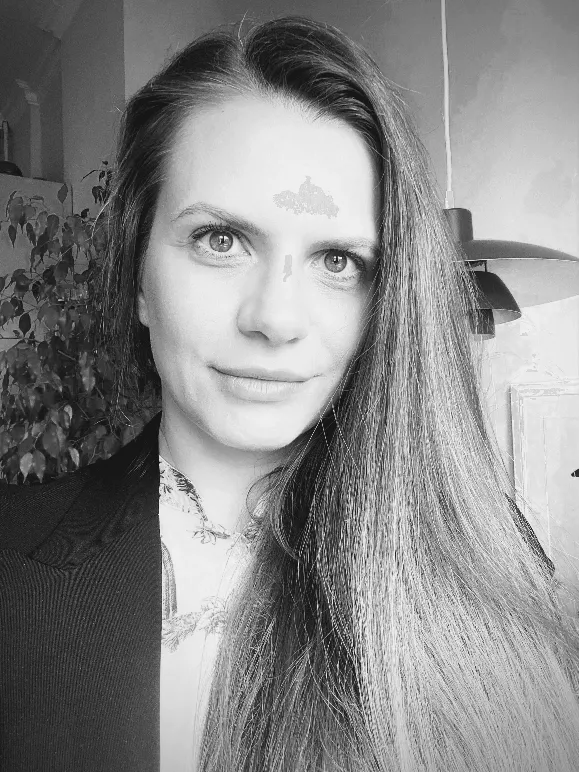
Your trainerAnna Beata Kalisz Hedegaard
Chief Executive Officer, QSECDEF
LengthAbout 22 hours10 weeks, 20 live lectures, Tuesdays 16:30 CET from 1 December 2026
CostIncluded in membershipView course - Included in membership
Quantum Cyber Security Foundation
Who it is forCybersecurity teams, technology leaders, procurement and policy staff, and researchers. No quantum physics required. Rapid five hour certification designed to bring teams up to speed.
Certificate issued by QSECDEF. Module 1 free to try.
Your trainerAnna Beata Kalisz Hedegaard
Chief Executive Officer, QSECDEF
- Included in membership
Quantum Resilient Blockchain Foundation
Who it is forBlockchain developers, security teams, investors and fund managers, policy and compliance staff wanting to understand the risk to digital assets.
Certificate issued by QSECDEF.
Your trainerAnna Beata Kalisz Hedegaard
Chief Executive Officer, QSECDEF
- Included in membership
Plus access 170+ Expert Lectures instantly
Who it is forAnyone building quantum literacy: practitioners, researchers and industry leaders. Covers PQC, QKD, QRNG, quantum computing, AI and satellites. A full back catalogue of all previous lectures from world experts.
Full archive included. New live lecture every week.
LengthAbout 40 minutes eachWatch what you need, when you need it
CostIncluded in membershipView Expert LecturesRecent guest lecturers
Marc KaplanOpen-Source Quantum Communication Systems
Owen O'DonnellContinuous Testing for Post-Quantum Cryptography
Ashish JanghelPost-Quantum Authorisation for D-Apps
Ignazio PedoneCloud Security in the Post-Quantum Era
Cierra ChoucairQKD vs PQC: Market Trends
Vinay KumarQuantum Internet and Routing Protocols
Dr Erik BeckertPackaging for Photonic Quantum Systems
Egon AstraUser Experience with BB84 QKD Devices
Adrian NealOTP-Grade Irreversibility in Encryption
- Included in membership
People Power
Benefit from the best deep tech community on the internet. A flat peer network, cross disciplined, cross industry, cross culture of professionals ensuring quantum technology adoption is safe for our society.
A modern movement of real people, 1500+ QSECDEF members represent more than 900 enterprise organisations, academic centres, research centres and cyber organisations in more than 40 countries that are sharing critical information on QSECDEF.
One membership. Every course.
Members get the CQBP pathway plus the complete QSECDEF training catalogue: the AI security bootcamp, both foundation certifications, 170+ expert lectures and the weekly community call.
What you get as a member
Membership puts the courses, the lecture library, the weekly call and the people behind them in one place, with 25% off partner training and events.

Access our QSECDEF Training Courses
Your membership includes the introductory quantum cyber security and quantum resilient blockchain courses, plus the Business Bootcamp. Each ends in a certificate, so your team can study at its own pace and show what it completed.
See the courses
Access over 170 expert lectures
More than 170 lectures from practising experts sit in the member library. Topics run from post-quantum cryptography and QKD to sensing, PNT and quantum business. Watch when your diary allows, then return to the ones you need.
Browse the lectures
One new training course live every 90 days
We commit to publishing a new training course every 90 days, so the programme keeps pace with the field. Your membership covers each one as it goes live, with no extra fee for the course.
See current courses
Discounts on partner delivered courses and certifications
Members save 25% on partner training and certifications, including the CPQCPM Post Quantum Cryptography Programme Manager certification. The discount applies at booking, so the saving comes before you pay.
View the certification
In person events invitations, members only event invitations
Members receive invitations to our in-person events, including our London, Amsterdam and Berlin events, plus private members-only briefings and priority access to the QSECDEF members’ symposium 2027 in Paris.
See upcoming events
Priority access for our weekly live call every Tuesday
Every Tuesday at 3pm CET, a practitioner presents a live topic and takes questions. Members get priority access to the call and the recorded archive afterwards, so a missed week is never lost.
Join Tuesday's call
Access a peer network of experts, practitioners and learners
Join 1,500+ members across 40+ countries and 900+ organisations. The community directory and learning management system are open for you instantly on membership, so you know whose profile to open when you need a second opinion.
Meet the experts
Discounts on partner events, workshops and tradeshows
Partner events cost members 25% less. Membership also brings discounted rates on in-house workshops and priority access to QSECDEF annual events, including the Paris Symposium.
See membership benefits
Focus on human interaction
Quantum security is decided by people. Ask your question live on Tuesday's call, put it to a speaker at a members' briefing, or shake hands at the London and Paris events. A human answers.
See how we meet
Global access
Members work in more than 40 countries. The 2026 symposium speakers came from NATO STO, the European Commission, Nokia, Rheinmetall and MBDA. See which organisations sit in the network.
View member organisations
Why membership?
All four courses and 170+ lectures included
Find the right membership for you
Become a memberSTO Summer School: Dual-use quantum technologies
ChannelNATO Science & Technology Organization
We are delighted to collaborate and share our knowledge with STO Summer School on Dual-use quantum technologies. Play the video to find out more.
Quantum business training: common questions
What is quantum business training?
Quantum business training teaches business leaders how quantum computing, post-quantum cryptography and quantum policy affect their organisation, without requiring a physics or engineering background. It covers the commercial, security and governance implications of quantum technologies rather than the underlying mathematics.
Who is quantum business training for?
Executives, decision-makers, risk and security teams, product and innovation leads, and any business professional who needs to understand quantum technology without a technical background. No prior experience is required. If you are building capability across a team, see our guide to upskilling your team on quantum computing.
How long does the quantum business training course take?
There are 10 modules of two hours each, approximately 22 hours of study in total. We recommend two hours a week over ten weeks, but the course is online and self-paced, so you can work through it faster or slower.
Do I need a technical or physics background?
No. The programme is written for business professionals and starts from first principles. It explains what quantum technologies do and what they mean commercially, rather than teaching you to build them.
Is the quantum business training free?
The first module is free on demand, delivered to your inbox after registration, with no card required. The remaining modules and the professional examination require QSECDEF membership.
What certification do I get?
Members who complete all 20 lectures across the 10 modules and score 80% or higher in the professional examination earn the QSECDEF Certified Quantum Business Professional (CQBP) credential. We also cover whether quantum computing certification is worth it and how to budget quantum training in our insights.
How do we assure quality?
Our courses are developed with reference to the European Quality Assurance Reference Framework for Vocational Education and Training (EQAVET), the European Council Recommendation on micro-credentials and the CAST Universal Design for Learning Guidelines. These are the frameworks we measure ourselves against; we publish our gap assessment and the actions we are taking against it.
Every learner is asked for feedback at the end of a course, and that feedback is reviewed when the course is next revised. Pricing, refund terms and our privacy practice are published in the Trust Centre before you buy.
How can you correct us?
If you find an error or omission in any QSECDEF course or lecture, tell us. We acknowledge every report within five working days, correct the material, record the change in a published change log and tell learners who certified on the affected content. Our community of more than 1,500 members in over 40 countries is our review panel, and we credit reporters who wish to be named.
How does QSECDEF manage its educational standard?
Credentials are issued by Quantum Security and Defence Ltd, in the European micro-credential format. A credential, once awarded, belongs to you. It does not expire with membership and remains verifiable.
QSECDEF credentials are professional certifications issued by QSECDEF. They are not regulated university or educational qualifications. Courses are developed with reference to the European Quality Assurance Reference Framework for Vocational Education and Training (EQAVET), the European Council Recommendation on micro-credentials and the CAST Universal Design for Learning Guidelines. These are the frameworks we measure ourselves against. We have taught our courses at leading organisations, and many of our courses and lectures are delivered by recognised PhD-level professors, doctors or recognised industry practitioners from within the community of peers.
Education standards guidance
We take guidance from the following open frameworks for technical education: EQAVET, the European Quality Assurance Reference Framework for Vocational Education and Training; the European Union Council Recommendation on micro-credentials; the CAST Universal Design for Learning Guidelines; and WCAG 2.2, the web accessibility standard. Educational oversight: QSECDEF Advisory Board. Feedback, errors, omissions and updates: QSECDEF Community.
Between bootcamp sessions, the free weekly quantum security webinar runs every Tuesday. Open to all registrants.
Reserve your place now
Your first session recording arrives by email after registration. Watch on your schedule.