Electricity pylons and power lines at sunset

For CISOs, OT security leads, grid and plant operators and utility boards

Quantum risk in energy and utilities

The devices you install this year will still be running when the threat arrives.

In fifteen minutes you will know which of your OT protocols and records are already exposed, what NIS2, the EU Network Code on Cybersecurity and NERC CIP let regulators ask for, and the first 90 days of a plan that fits OT change control.

  • Your exposure, protocol by protocol
  • The evidence regulators can ask for
  • A 90-day plan that respects OT change control
  • The right training for each role
1,500+
professional members
900+
organisations represented
40+
countries
Vendor-neutral
based on evidence, not hype

Proud to recommend our expert members

Qrypto Cyber
Eclypses
Arqit
QuantBond
Krown
Applied Quantum
Quantum Bitcoin
Venari Security
QuStream
BHO Legal
Census
QSP
IONQ - ID Quantique
Patero
Entopya
Belden
Atlant3D
Zenith Studio
Qudef
Aries Partners
GQI
Upperside Conferences
Austrade
Arrise Innovations
CyberRST
Triarii Research
QSysteme
WizzWang
DeepTech DAO
Xyberteq
Viavi
Entrust
Qsentinel
Nokia
Gopher Security
Quside
QIZ
Global Quantum Intelligence
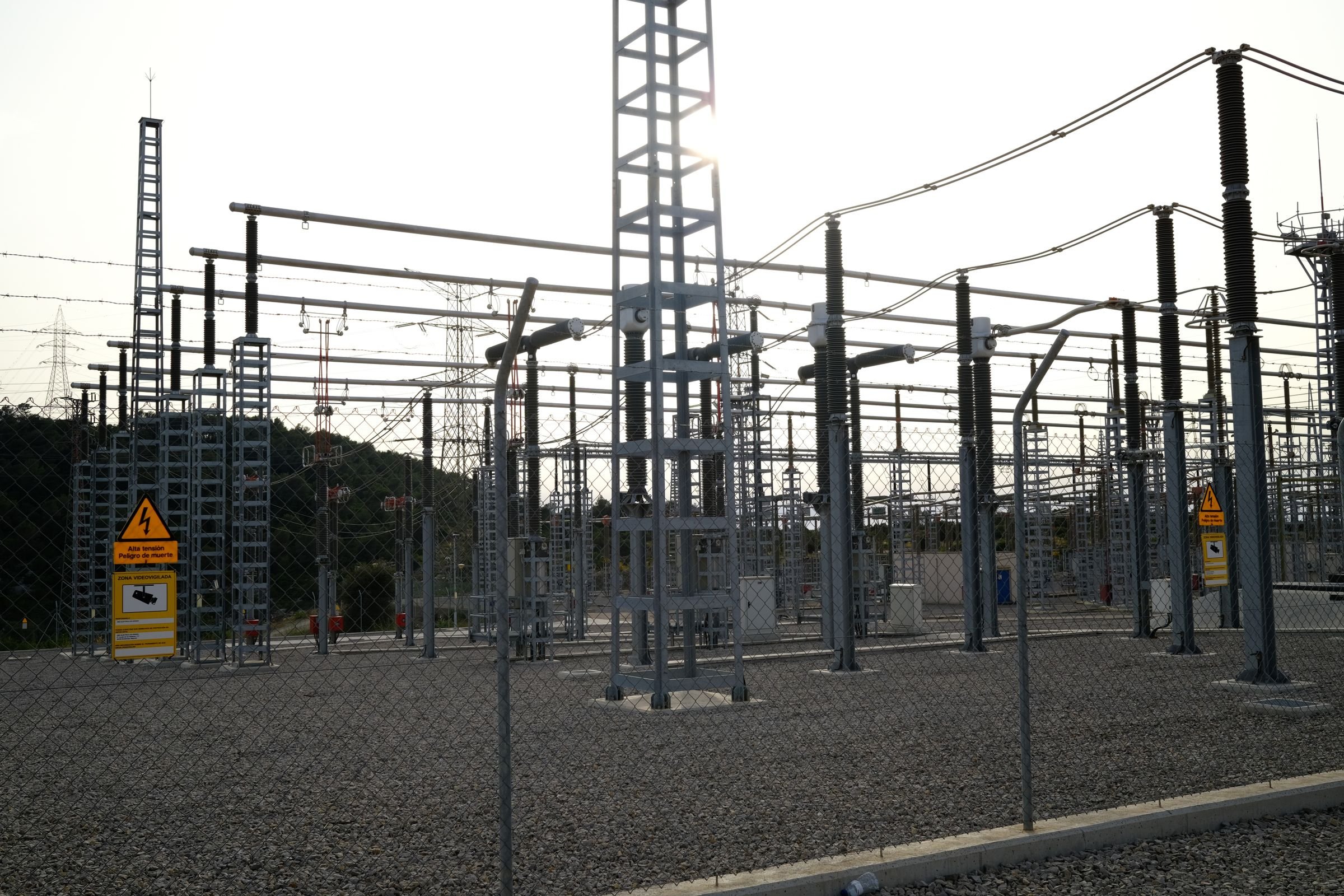
High-voltage equipment and warning signs at an outdoor electrical substation
Installed once. In service for forty years.

Step 1 of 5

Know which of your OT systems and records are already exposed

A protection relay commissioned at a 132kV substation in 2026 will still be in service in 2046. Its authentication uses RSA or ECDSA, the algorithms a cryptographically relevant quantum computer breaks. An attacker does not need that computer today: they record your SCADA sessions, remote access traffic and vendor update channels now and read them when it arrives. In energy, the data and the devices both outlive the threat.

Energy sector assets and records that must stay confidential beyond the post-quantum deadlines
Asset or record typeTypical lifetime or retentionConfidential until, if created in 2026
Protection relays, RTUs and IEDs in substations20 to 40 years in service2046 to 2066
Grid topology, protection settings and single-line diagramsLife of the asset2046+
SCADA telemetry and historian dataOften 10 years or more2036+
Nuclear safety system parameters and design documentationLife of the plant plus decommissioning, 40 to 60 years2066 to 2086
Bilateral contracts and market-sensitive generation dataIntelligence value beyond 10 years2036+
Firmware signing keys and vendor update channelsLife of the device fleet2046+

Device lifetimes from IEC TC57 working group publications and operator asset management practice, summarised in our energy and utilities OT guide. Check the figures against your own asset register.

Where your exposure sits, and what you will know

An engineer at a bank of monitors in a grid control room

Control centres and SCADA

DNP3 Secure Authentication, IEC 60870-5-104 and IEC 61850 MMS rely on RSA or ECDSA for key exchange and certificates. Inter-control-centre links carry the most valuable traffic you have.

You will know which master-to-outstation and control-centre links to protect first, and which can take hybrid TLS now.

Two large pipelines running in parallel through a forest

Field devices and remote sites

RTUs and PLCs on 9,600 baud serial links cannot carry a 1,184-byte ML-KEM public key without consequences for latency. Many cannot be updated without an outage.

You will know which devices are algorithm-fixed, which can take new firmware and which must wait for replacement.

Steam rising from the cooling towers of a nuclear power station beside a river

Generation and nuclear

Reactor protection, safety instrumented systems and plant design records stay sensitive for the life of the plant and beyond. Vendor remote access is the usual way in.

You will know which records carry harvest now, decrypt later risk and how to raise it with your nuclear regulator.

Free readiness check

Score your operation in two minutes

Eight questions mapped to what NIS2 authorities, the Network Code on Cybersecurity, NERC CIP auditors and your board can ask about cryptography in OT. You get a score, your top three priorities and the next step that closes your biggest gap. Nothing is sent anywhere.

Start the check
1Do you have a cryptographic inventory that covers OT as well as corporate IT?

NIS2 Article 21(2)(h) applies to the network and information systems behind the essential service. For an operator, that includes SCADA and substation communications.

2Do you know which of your OT protocols use quantum-vulnerable authentication or key exchange?

DNP3 SAv5, IEC 62351 certificate profiles and OPC UA security modes all depend on RSA or ECDSA. Modbus/TCP and plain IEC 104 carry no cryptography at all.

3Have you identified the field devices that cannot receive a cryptographic algorithm update?

An algorithm-fixed relay or RTU can only be fixed by replacement. Those counts set your migration timeline more than any policy does.

4Do your OT tenders require post-quantum algorithm agility and signed firmware with a PQC roadmap?

NIS2 Article 21(2)(d) and NERC CIP-013 put supply chain security on you. A device bought in 2026 without an upgrade path will still be running in 2046.

5Have you mapped which operational data must stay confidential beyond 2030?

Grid topology, protection settings, historian data and plant design records are exposed today to harvest now, decrypt later collection.

6Is there a named owner and a budget line for post-quantum migration across IT and OT?

Programmes that sit only with the IT security team stall at the OT boundary. Programmes that sit only with engineering never reach the inventory.

7Has your board or management body been briefed on quantum risk in the last 12 months?

NIS2 Article 20 makes management bodies approve the cybersecurity risk measures and oversee their implementation, and requires them to follow training.

8Have you tested hybrid post-quantum TLS on one IT-OT boundary system?

Firewalls, jump servers and historians at the boundary run on standard hardware and can take hybrid key exchange now, without touching a field device.

Step 2 of 5

Know what regulators and your board will expect, and when

  1. 2023

    CI guidance

    CISA, NSA and NIST tell critical infrastructure operators to inventory cryptography and engage vendors now.

  2. 2024

    Standards and rules

    NIST publishes FIPS 203, 204 and 205. The EU Network Code on Cybersecurity enters into force. NIS2 transposition is due.

  3. 2026

    EU first steps

    The EU roadmap asks essential entities to start, beginning with inventory and planning.

  4. 2028

    UK discovery done

    The NCSC expects you to know your cryptography, OT included, and have a plan.

  5. 2030

    High-risk migrated

    EU target for high-risk systems. NIST deprecates 112-bit RSA and ECC.

  6. 2035

    RSA and ECC disallowed

    NIST disallows them. EU and NCSC timelines end here. Field devices bought in 2026 are nine years into service.

Key facts for energy and utilities, checked 30 October 2026

  • NIS2 lists energy (electricity, district heating and cooling, oil, gas and hydrogen) in Annex I as a sector of high criticality, and Article 21(2)(h) requires policies on the use of cryptography and encryption. EUR-Lex
  • The Network Code on Cybersecurity for cross-border electricity flows, Regulation (EU) 2024/1366, was published on 24 May 2024 and sets common minimum and advanced cybersecurity controls for high-impact and critical-impact entities. EUR-Lex
  • NERC CIP-005, CIP-010, CIP-012 and CIP-013 govern electronic security perimeters, configuration change management, control-centre communications and supply chain risk for the North American bulk electric system. NERC
  • CISA, NSA and NIST published Quantum-Readiness: Migration to Post-Quantum Cryptography for critical infrastructure on 21 August 2023. CISA
  • NIST IR 8547 deprecates 112-bit RSA and ECC after 2030 and disallows them after 2035. NIST
  • The UK NCSC expects discovery and a plan by 2028, high-priority migration by 2031 and completion by 2035. UK NCSC
Wind turbines turning beneath dark storm clouds

The evidence you will be able to show under NIS2 and the Network Code

NIS2 Article 20

A management body that has approved and been trained

You show: A board paper on quantum exposure in OT, a named sponsor and a training record.

NIS2 Article 21(2)(h)

A cryptography policy that reaches the substation

You show: A policy that names the quantum threat, the NIST standards and the OT protocols in scope.

NIS2 Article 21(2)(d)

Suppliers who have answered

You show: Post-quantum roadmaps and firmware signing plans on file from RTU, IED, relay and SCADA vendors.

Regulation (EU) 2024/1366

Cryptography inside your cross-border risk assessment

You show: Quantum-vulnerable algorithms listed as a risk in the entity-level assessment and mapped to the minimum and advanced controls.

High-voltage equipment at an outdoor electrical substation

UK operators. The NIS Regulations 2018 apply to operators of essential services in electricity, oil and gas, with the NCSC Cyber Assessment Framework as the assessment tool and the NCSC timelines setting the pace: discovery by 2028, high-priority migration by 2031, completion by 2035. UK operators with EU infrastructure or EU-regulated subsidiaries may also be in NIS2 scope. Read the UK CNI analysis.

Nuclear operators

The UK ONR Security Assessment Principles and IAEA Nuclear Security Series No. 17-T (Rev. 1), Computer Security Techniques for Nuclear Facilities, both expect a risk-informed computer security programme for sensitive digital assets. Neither names post-quantum cryptography yet, and reactor protection and safety instrumented systems keep their design parameters sensitive for the life of the plant. Our half-day Quantum Risk Assessment for Nuclear and Energy Facilities course covers the regulatory mapping.

Oil, gas and pipelines

Oil and gas are NIS2 Annex I sectors in the EU and Schedule 2 essential services in the UK. Pipeline SCADA runs the same DNP3, Modbus and IEC 104 stacks as electricity, often over longer serial and radio links where key sizes matter more. Treat compressor and pumping station telemetry and remote vendor access as the first exposure to map.

North American utilities

NERC CIP does not yet mandate post-quantum algorithms. CIP-013 is the hook for algorithm agility in procurement, CIP-010 is why every firmware change on a high-impact BES Cyber System takes months, and NIST SP 800-82 Rev. 3 is the OT security reference your auditors will read. NIST SP 800-82r3

Step 3 of 5

Build a plan your board can sign off in 90 days, without touching a live relay

By day 30

It has an owner across IT and OT

  • A programme owner with authority over IT and engineering, and a sponsor on the management body.
  • Inventory scoped to control-centre links, the IT-OT boundary and one representative substation.
  • Operational data mapped to confidentiality lifetimes.
By day 60

You have the evidence

  • Protocol scan complete and every RTU, IED and PLC classified as algorithm-agile, updatable or fixed.
  • A post-quantum questionnaire with every SCADA, relay and RTU vendor.
  • Algorithm agility and signed firmware written into the next tender.
By day 90

Your board has a plan to approve

  • Systems ranked by data lifetime, exposure and feasibility of change.
  • Hybrid TLS piloted on one boundary system.
  • A roadmap with 2030 and 2035 milestones aligned to your asset replacement cycles.
Who will deliver it? See step 4 →

The five numbers to show your board

  1. Inventory coverageThe share of OT zones and control-centre links with a completed cryptographic inventory.
  2. Algorithm-fixed devicesHow many fielded RTUs, IEDs and relays cannot take a cryptographic update and when each is due for replacement.
  3. Exposed recordsThe asset data and record types that must stay confidential beyond 2030.
  4. Supplier readinessHow many OT vendors have a post-quantum firmware roadmap on file, and how many tenders now require one.
  5. Plan statusBudget committed and milestones met against the 2030 and 2035 deadlines.

How to phase the work, 2026 to 2035

  1. 2026Discover, scan and change procurementOwner, OT-wide inventory, protocol scan, device classification and a vendor questionnaire. No algorithm-fixed device enters the estate without a documented agility requirement.
  2. 2027Boundary and workstation layerHybrid TLS on firewalls, jump servers and historians at the IT-OT boundary. OPC UA certificate profiles on engineering workstations moved to hybrid or upgraded chains.
  3. 2028 to 2030Control-centre links and firmware signingInter-control-centre and master-to-outstation links migrated where the protocol allows. Vendors signing firmware with ML-DSA or hash-based signatures, to meet the EU 2030 target and NIST deprecation.
  4. 2031 to 2035Field device replacementAlgorithm-fixed relays, RTUs and IEDs replaced within scheduled protection and asset renewal programmes, before RSA and ECC are disallowed in 2035.

Sequencing from our OT and SCADA practitioner framework. For budget ranges, see the PQC migration cost benchmarks. Prefer a facilitated session? See our power and energy workshops.

Free tools to do it this quarter

Need help delivering the plan? Our expert members are peer-reviewed suppliers, integrators and advisers. Meet the expert members →

Step 4 of 5

Equip the people who will deliver it

An OT migration succeeds or stalls on people: the programme lead who owns the inventory, the engineers who know the protocols, and the board that approves the replacement budget. Match each role to the outcome you need from them.

For your programme lead

Your programme lead can run the migration to the 2030 deadlines, IT and OT together

  • Inventory and CBOM auditing that reaches substations and control centres
  • Risk prioritisation by data lifetime, exposure and feasibility of change
  • Crypto-agile architecture and GRC integration for NIS2 and CIP evidence
  • Supplier management and a tabletop exercise with your own grid scenario

CPQCPM, Certified Post Quantum Cryptography Programme Manager. Ten hours live online over five weeks, small cohorts, delivered by Chris Basener of Argus Advisory and certified by QSECDEF. See the full course →

$1,450 a seat · $1,087.50 for members

QSECDEF training · CPQCPM

Watch the overview, then get the brochure, dates and costs

Your brochure, the next cohort dates and the costs are ready on the next page.

We use your email to send QSECDEF updates and news. See our privacy policy.

Board and executives

Your board can challenge the plan and approve a multi-year replacement budget with confidence.

Certified Quantum Business Professional

Self-paced, no physics background. Covers PQC, policy and PQC risk and migration management.

Free first session · included in membership

Get Session 1 free
OT security engineers and SCADA architects

Your engineers know where the asymmetric cryptography sits in DNP3, IEC 61850, Modbus/TCP and OPC UA, and what replaces it.

PQC Migration for SCADA and OT Networks

Full day, 6 hours, in person or online. IEC 62351, NERC CIP and FIPS 203/204/205 mapping, with a cryptographic inventory walkthrough for a representative SCADA architecture.

Private delivery · certificate on completion

See the course
Security, risk and IT teams

Your teams understand the threat, the standards and the tools before they start.

Introduction to Quantum Cyber Security

Six modules, 4 to 5 hours, certificated.

Free first module · included in membership

Get Module 1 free
An engineer at a bank of monitors in a grid control room

Training the whole operation? Put IT and OT on one plan.

Team membership brings your board, programme lead, OT engineers and security teams up to speed together, tracks what each person has completed and certifies across the group. The self-paced courses above are included, plus 170+ expert lectures and the weekly call, and members pay less for CPQCPM.

See team membership

Step 5 of 5

Compare notes with operators who started a year ahead of you

A members-only structured Q&A for CISOs, OT security leads, grid and plant operators and their SCADA and equipment vendors. It runs under the Chatham House Rule and is facilitated by Anna Beata Kalisz Hedegaard, Founder of QSECDEF.

  • A sequencing framework for boundary, control-centre and field device migration
  • A read on how peers are writing algorithm agility into tenders
  • What NIS2 authorities and CIP auditors are asking about cryptography in OT
  • Direct relationships with operators solving the same problem
A QSECDEF symposium panel on stage in front of an audience
Practitioner panels, on the record
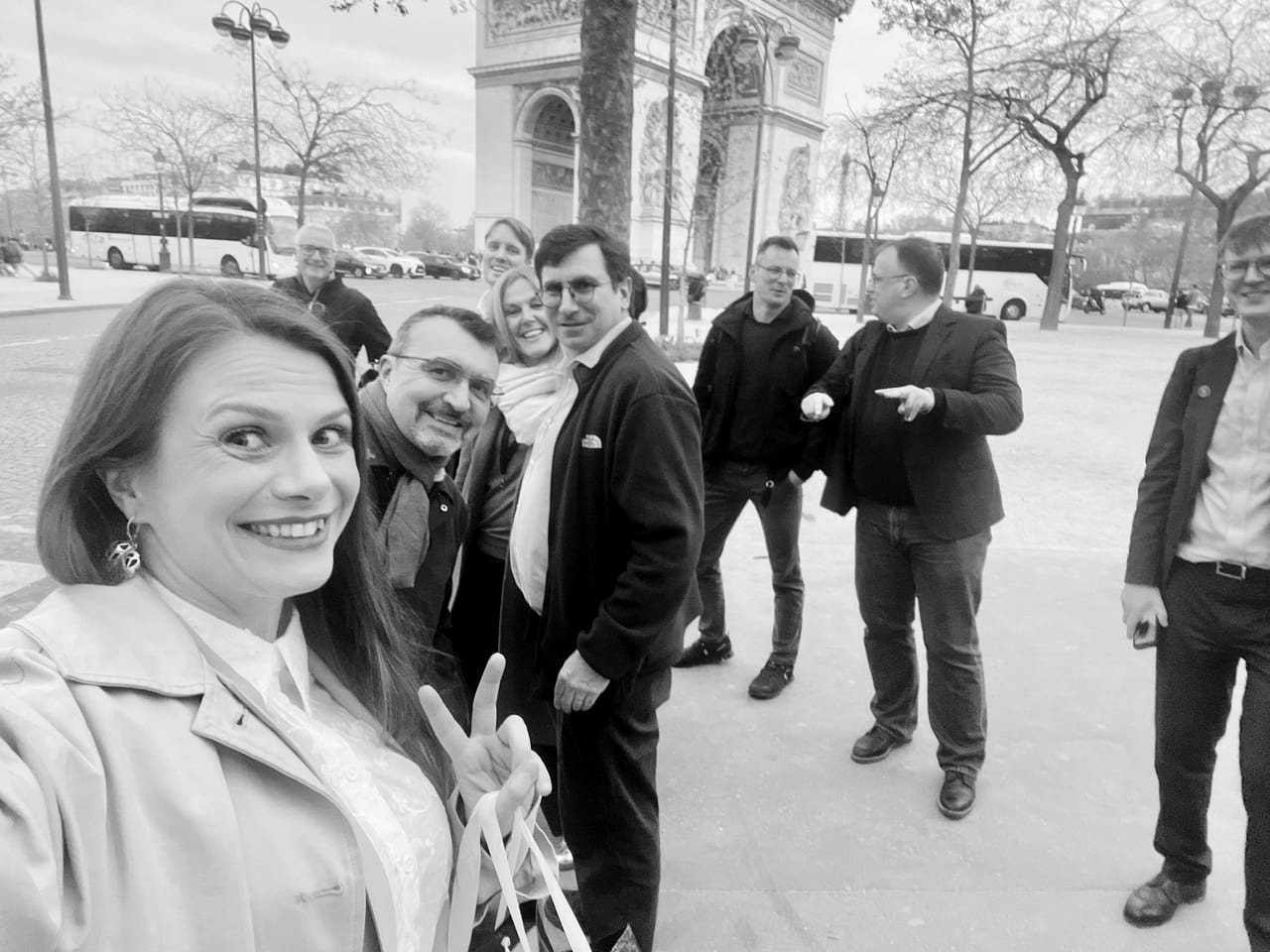
QSECDEF members and speakers together outside the Arc de Triomphe in Paris
Peers you can call afterwards
Panellists in discussion at a QSECDEF symposium
Questions taken from the floor
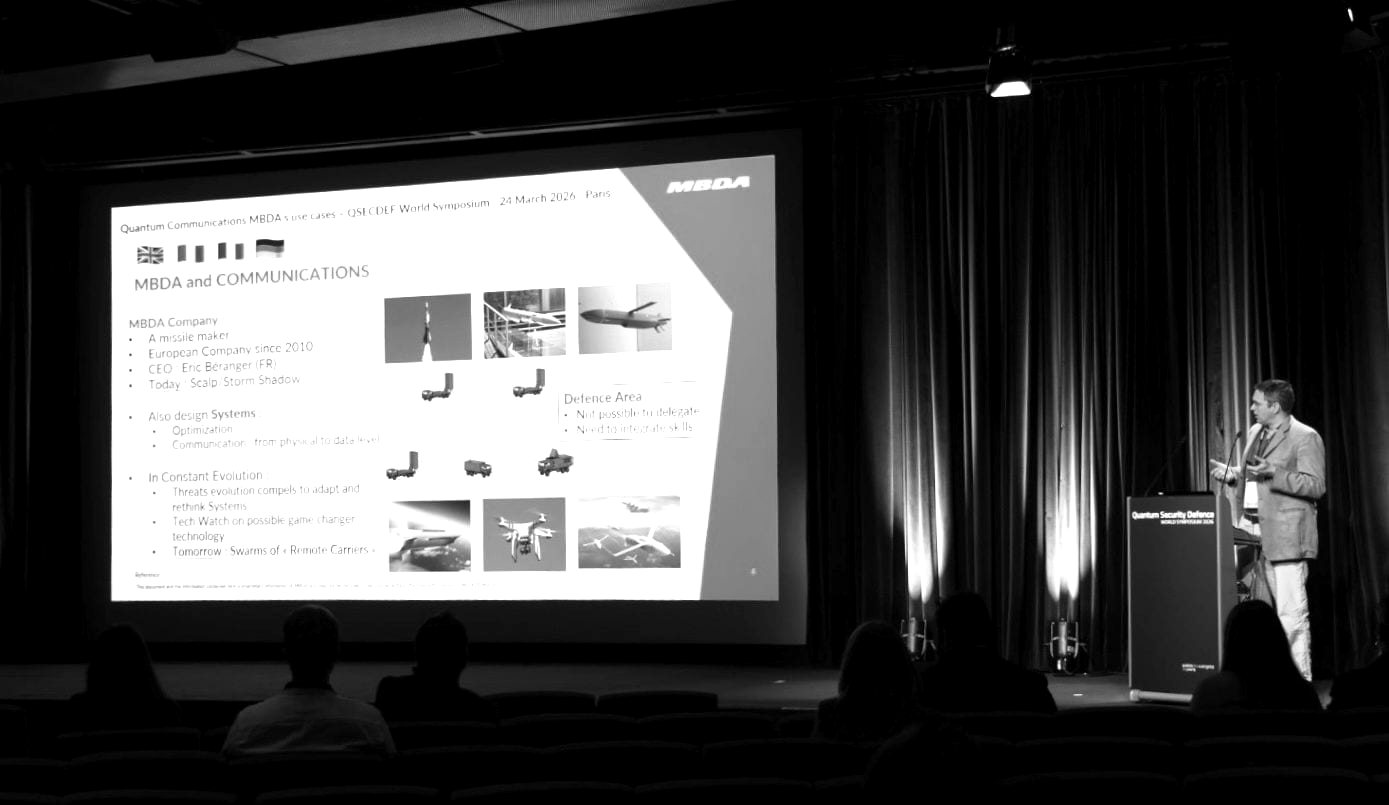
A speaker presenting slides at the QSECDEF World Symposium
Briefings on what is changing
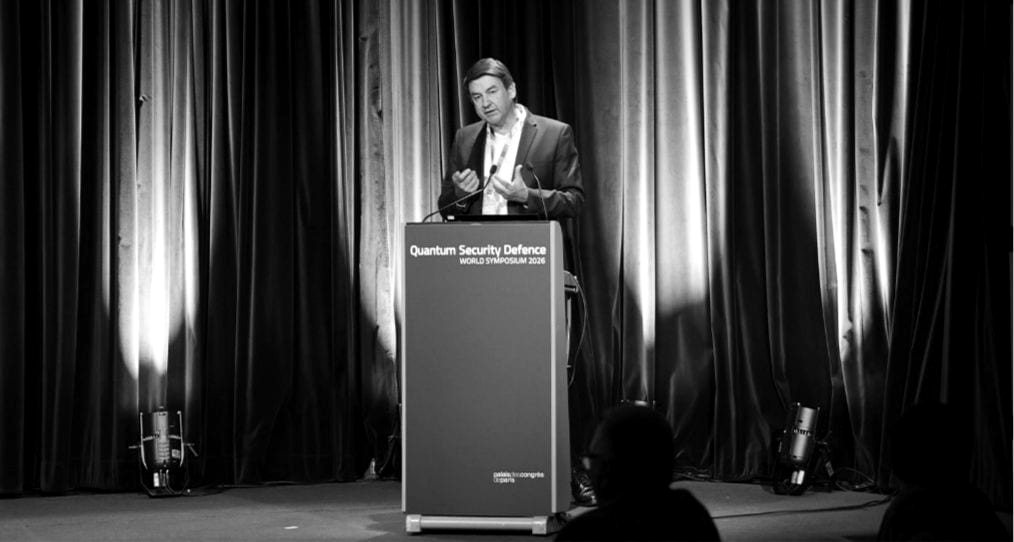
A keynote speaker at the QSECDEF World Symposium lectern
QSECDEF World Symposium, Paris

Lectures from people doing this work

Practitioner lectures from the QSECDEF library that matter most to operators: securing operational networks, running a cryptographic inventory, and keeping constrained devices and their entropy honest.

Browse all expert lectures

Expert contributors represent leading organisations worldwide

Airbus Central R&T
Aireon
Airesatech
Ait
Appliedquantum
Arise Innovations
Arobs
Arqit
Asc Csa
Atlant3D
Bank of Ireland
Barak Azar
Basener Consulting
BHO Legal
Bitcoinqs
Bloq
Buckingham
CloudTech Group
Coherent Computing
Creotech
Cryptalabs
CyberProtonics
Cysec
Cystel
Deimos Space
Department of Digitalization
Dhbw
Dlr
Eclypses
Elpromaelectronics
Engineering
Enluzstrategy
Entrokey Labs
Eptalent
ESA
Esa
Euc
EXATEL
Finqbit
Fraunhofer
Georgetown
GQI
Helix Ft
Ibm
Idquantique
Jagiellonian University
Jos Quantum
Kets Quantum
Kit
Krown Technologies
Kwantumg
Lightriderinc
Linkedin
Lnu
Mbda Systems
Meetiqm
Merqury
Metrosert
Molket
Nicolaus Copernicus University in Torun
Nokia
Orcacomputing
Osi
Pantherun
Patero
Photonics Foundry
Q Ctrl
Qryptocyber
Qssys
Qticompany
Qtlabs
Quandela
Quant X Sec
Quant.Bond
Quantivate
Quantum Computing Inc
Quantum Dice
Quantumbrilliance
Quantumprime
Quantzen
Qubridge
Qudef
Quranium
Qustream
Reddixgroup
Slater Technologies
Smartcyber Group
Smoad
Sparkle
Swiss Financial Innovation Desk
Technology Innovation Institute (TII)
Thequantuminsider
Tobias Heindel
Tu Braunschweig
University College London
University of Bremen
University of Pisa
Venari Security
Veriqloud
Viavisolutions
Vodafone
Welinq
Wizzwang
Xairos
Youtube
Quside
QIZ
Global Quantum Intelligence
HYPATIA Smart Technologies
SAS
Triarii Research

Expert Membership

Builders, consultancies and technology vendors serving energy and utilities: talk to us

Expert membership brings you into an open community working across sectors, opening up industry conversations, knowledge and access to experts. If you are building technology or consulting capabilities in this sector relevant to Quantum or Advanced AI, we want to hear from you.

  • Access to all Industry Conversations
  • Speaker opportunities at the annual Paris Symposium
  • Enhanced expert profile with lecture archive
  • Co-branding opportunities and social amplification
  • 25% off partner training and events

Everything you need, in one place

Our analysis for energy and utilities

Policy and mandates

Questions leaders ask

Does NIS2 require post-quantum cryptography for energy operators?

Not by name. NIS2 lists energy in Annex I as a sector of high criticality, and Article 21(2)(h) requires policies and procedures on the use of cryptography and, where appropriate, encryption. That obligation covers the network and information systems behind the essential service, so SCADA and substation communications are in scope. A competent authority can reasonably ask how your cryptography policy treats algorithms that NIST will deprecate in 2030.

Which OT and SCADA protocols are vulnerable to quantum attack?

Any protocol that uses RSA or ECDSA for key exchange, certificates or authentication: DNP3 Secure Authentication version 5 update keys, IEC 62351 TLS and role-based access certificate profiles for IEC 61850 and IEC 60870-5-104, and OPC UA security modes. Modbus/TCP and plain IEC 104 carry no cryptography at all, which is a different problem. The symmetric parts, such as AES-256 HMAC in DNP3 SAv5, hold up. Our free OT Protocol Quantum Vulnerability Scanner maps this for the protocols you select.

Can a PLC or RTU run post-quantum cryptography?

Some can. Benchmarks from the pqm4 project put ML-KEM-768 key generation at roughly 100,000 clock cycles and about 1.5KB of stack on an ARM Cortex-M4, which is within reach of higher-end fielded controllers and out of reach of older ones. The bigger constraint is bandwidth: an ML-KEM-768 exchange adds about 2,272 bytes, roughly two seconds on a 9,600 baud serial link. Classify each device as algorithm-agile, firmware-updatable or algorithm-fixed and plan from there.

What does the EU Network Code on Cybersecurity for electricity require?

Regulation (EU) 2024/1366, published on 24 May 2024, sets a common European approach to cybersecurity for cross-border electricity flows. It establishes risk assessment methodologies, identifies high-impact and critical-impact entities, sets minimum and advanced cybersecurity controls, and covers reporting, monitoring and crisis management, with ENTSO-E and the EU DSO Entity developing the methodologies. Cryptography that will be deprecated in 2030 belongs in your entity-level risk assessment.

Does NERC CIP require PQC?

Not yet. CIP-005 covers the electronic security perimeter, CIP-010 governs configuration change management, CIP-012 covers communications between control centres and CIP-013 covers supply chain risk. CIP-013 is the practical hook for requiring algorithm agility in new procurement, and CIP-010 is why a cryptographic firmware change on a high-impact BES Cyber System takes months rather than days. Plan each field update as a formal change project.

What is harvest now, decrypt later, and why does it matter for a utility?

An adversary records encrypted traffic or copies encrypted data today and stores it until a quantum computer can break the encryption. Grid topology, protection settings, historian data and plant design records stay useful to an attacker for decades, far longer than the time until a cryptographically relevant quantum computer is expected. Recorded remote access sessions and vendor update channels carry the same risk.

Where should an energy operator start?

Three things: extend the cryptographic inventory into OT, starting with control-centre links and the IT-OT boundary; run a protocol scan and classify every field device by whether it can take a cryptographic update; and write algorithm agility and a post-quantum firmware roadmap into every RTU, IED and relay tender from now on. Those three give your board the evidence to set priorities.

Do we have to replace every relay and RTU before 2035?

No. Field migration for algorithm-fixed devices should be aligned with your scheduled protection and asset renewal programmes in the 2031 to 2035 window. What matters now is that no new algorithm-fixed device enters the estate, and that the boundary and control-centre layers, which run on standard hardware, migrate first.

Is QKD the answer for the grid?

Quantum key distribution can protect specific point-to-point links, and some operators are trialling it on fibre between substations. It does not authenticate a firmware image, it does not reach a serial RTU and it does not replace the post-quantum algorithms NIST has standardised. Treat it as a complement on a small number of high-value links, not as the migration plan.

What do nuclear regulators expect?

The UK ONR Security Assessment Principles and IAEA Nuclear Security Series No. 17-T (Rev. 1) both expect a risk-informed computer security programme that protects sensitive digital assets against the design basis threat. Neither names post-quantum cryptography yet. Reactor protection, safety instrumented systems and plant design documentation stay sensitive for the life of the plant and its decommissioning, which makes them the longest-lived exposure in the sector.

What should we show the board about quantum risk?

Five numbers: inventory coverage of OT zones and control-centre links, the count of algorithm-fixed field devices and their replacement dates, the records that must stay confidential beyond 2030, how many OT vendors have a post-quantum firmware roadmap on file, and budget and milestones against the 2030 and 2035 deadlines.

What does QSECDEF offer energy and utility operators for free?

Everything on this page. The two-minute readiness check scores your energy and utilities programme and routes you to the right next step. The free tools, including the OT Protocol Quantum Vulnerability Scanner and the OT Cryptographic Asset Prioritisation Matrix, run in your browser with no registration. The weekly peer call runs every Tuesday at 15:00 CET and is open to anyone. Sample lectures from the 170-plus expert library are linked above, and the page is reviewed as the mandates change; the date beside the key facts is the last check.

Which QSECDEF course should a energy and utilities team take first?

It depends on the role. Board and executives start with the Certified Quantum Business Professional bootcamp, about 22 hours self-paced across ten modules. OT security engineers and SCADA architects take Introduction to Quantum Cyber Security, four to five hours online with a QSECDEF certificate. Security, risk and IT teams take Introduction to Quantum Cyber Security, a full day covering DNP3, IEC 61850, Modbus/TCP and OPC UA. Whoever will run the migration takes CPQCPM, the Certified Post Quantum Cryptography Programme Manager course: ten hours live online over five weeks, with the next public cohort in January 2027.

Can QSECDEF run private training or a workshop for our utility, grid operator or plant?

Yes. QSECDEF runs private CPQCPM cohorts for a single organisation, live online or in person, and private deliveries of the sector courses listed under Equip your people for your OT engineers and SCADA architects. Board and leadership workshops are built on your own exposure and obligations and end with an agreed position on quantum risk. Use the contact button in the For your organisation section and tell us your timeline.

How do we find vetted suppliers or consultants for a energy and utilities PQC migration?

Through the QSECDEF Expert Members directory. Every listed member has been vetted, has signed the Members' Charter and has presented to the community. You can filter by consulting and services, technology vendor or enablement and investment, and send a request for further information from the member's own page. QSECDEF is vendor-neutral and sells training, not migration products, so the shortlist stays yours.

Is QSECDEF membership relevant to a utility, grid operator or plant?

Two routes. QSECDEF membership gives your team the self-paced courses, the full lecture archive, the weekly call and 25 per cent off CPQCPM and partner training. Expert Membership is for the builders, consultancies and technology vendors serving energy and utilities who want to be found by the people reading this page; it includes a showcase listing with an enquiry form, the Industry Conversations and speaking slots at the annual QSECDEF symposium.

How much time does the training take?

CPQCPM is ten hours of live instruction over five weeks, two hours a week. PQC Migration for SCADA and OT Networks is a full day of six hours, in person or online. The Quantum Cyber Security course is 4 to 5 hours, self-paced. The business bootcamp is self-paced at your own speed.

Ask a practitioner, live

The free weekly call runs every Tuesday at 15:00 CET. Bring your question.

Join the Tuesday call →

A team working through a plan together at a whiteboard

For your operation

Need it built around your network, plants and regulators?

When your board, OT engineering team or competent authority needs something specific, we shape the workshop, the training or the engagement around your protocols, your asset base and your timeline. Independent of any vendor.

Custom workshops

Your board leaves with an agreed position on quantum risk in OT

Facilitated sessions for boards, risk committees and engineering leadership, built on your own device inventory, obligations and replacement cycles.

Private training

Your whole operation trained on one plan

Private CPQCPM cohorts, the SCADA and OT course delivered on site or online for your engineers, and the nuclear risk assessment course for safety and compliance teams, with team membership for the self-paced courses.

Consulting

A migration programme specified and staffed correctly

OT cryptographic inventory, protocol gap analysis, procurement language and specialist teams sourced from 1,500+ members across 900+ organisations.

Prefer email? Write to info@qsecdef.com and tell us about your timeline.

Photos: Pexels (Ilo Frey, Enric Cruz López, Wolfgang Weiser, Expect Best, ThisIsEngineering, Guilherme Christmann) and QSECDEF, converted to black and white or brand duotone.