
Quantum Risk in Healthcare: What Executives Responsible for Patient Data and Clinical Infrastructure Need to Decide Now
Healthcare organisations hold patient data under retention obligations that run for decades. That data, encrypted today with pre-quantum algorithms, represents a harvest-now-decrypt-later liability that most healthcare governance frameworks have not yet modelled. At the same time, quantum computing offers genuine near-term potential for drug discovery and clinical research that healthcare executives are being asked to evaluate. This conversation is for the senior leaders who need to make both judgements, on risk and on opportunity, with accurate information.
Event Details
- Who else is in the room
- Senior level executive peers, industry leaders, experts in risk, technology and business. Specifically: healthcare CEOs, CIOs, Chief Medical Officers, and senior executives at hospital networks, genomics organisations, and pharmaceutical companies with governance accountability for patient data security.
- Access
- Members only. Bundled with Expert Membership. Included with Expert Member tier
- Sponsor
- Organised by QSECDEF
- Facilitator
-
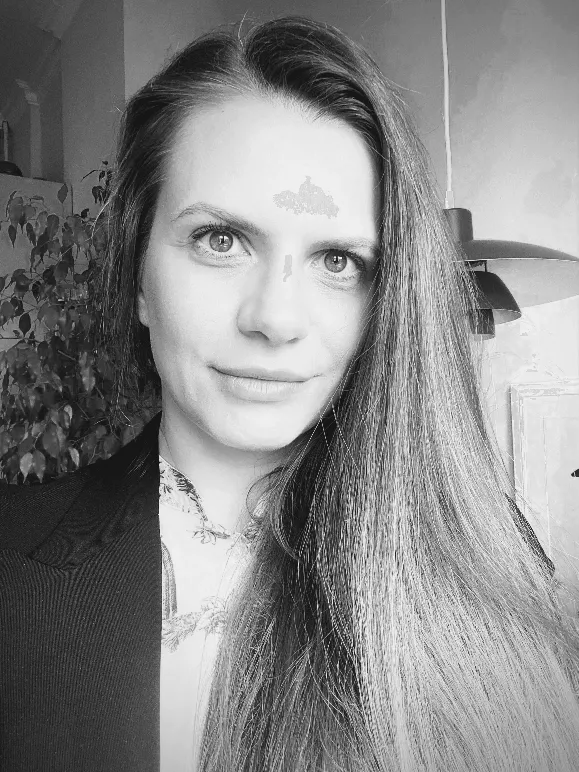 Anna Beata Kalisz Hedegaard Quantum Security Defence
 - Rules of engagement
- Chatham House Rule Chatham House Rule. Discussion is on the record; attribution is not. Participants may share what was said but not who said it.
- Format
- Roundtable Flexible between roundtable, structured Q&A or in-person hosted dinner
- Who Should Join
- This conversation is for healthcare executives, CEOs, CIOs, and Chief Medical Officers, at hospital networks, healthcare systems, genomics organisations, and pharmaceutical companies where patient data governance and clinical infrastructure security sit at board level. It is most relevant where the organisation holds genomic data or long-duration clinical records with high sensitivity. It is not for IT operations staff or clinical informatics managers without strategic authority. Participants are expected to carry governance accountability for healthcare data security.










About This Conversation
Why this matters now
Healthcare data retention obligations of ten or more years are standard across most EU member state jurisdictions, creating a harvest-now-decrypt-later exposure window that extends well beyond current conservative CRQC timeline estimates. NIST's August 2024 finalisation of post-quantum standards created a clear migration baseline. The GDPR's Article 32 obligation to implement appropriate technical security measures is now measurable against published PQC standards, creating a compliance dimension for healthcare data controllers. Genomic data, with its permanent sensitivity, represents the highest-exposure category: a person's genomic profile, harvested today and decrypted in ten years, is irreversibly exposed.
Outcomes
What you will leave with
- A clear risk model for healthcare quantum exposure: which data categories (patient records, genomic data, clinical trial data) carry the highest harvest-now-decrypt-later risk and why
- A peer-tested prioritisation framework from healthcare executives who have begun PQC migration reviews: where to start in a sector with complex vendor dependencies and long procurement cycles
- Practical framing for the genomic data question, the category with permanent sensitivity and the longest retention horizon, where the risk model is different from standard patient records
- Clarity on the regulatory obligation dimension: how GDPR Article 32's "appropriate technical measures" standard applies to quantum-vulnerable encryption in healthcare data systems
- A realistic assessment of quantum computing's near-term relevance for drug discovery and clinical research, separated from vendor claims: what is currently achievable and on what timeline
Your Facilitator
Anna Beata Kalisz Hedegaard
Founder, QSECDEF
Anna Beata Kalisz Hedegaard has over 15 years of international experience in deep-tech, telecommunications, and defence communications networks. Her expertise spans intellectual property, advanced communications systems, and quantum secure communications. She has lived and worked across Poland, Denmark, the United States, Malaysia, the Netherlands, and Germany. Anna holds dual Master of Science degrees in Theoretical Cosmology from the University of Southern Denmark and Electrical Engineering from Wright State University, USA. She is the founder and board member of Quantum Security Defence.
View full profileExpert Membership
Industry Conversations are exclusive to Expert Members
Expert membership brings you into a closed community of senior security practitioners. Industry Conversations are included in the membership. Individual tickets are not available.
- Access to all Industry Conversations
- Speaker opportunities at the annual Paris Symposium
- Enhanced expert profile with lecture archive
- Advisory board nomination eligibility
- Co-branding opportunities and social amplification