
Quantum Technology Policy: The Decisions Legislators and Regulators Are Making Now Without Complete Information
Legislators and regulators are writing quantum policy, through export control updates, financial regulation, critical infrastructure law, and AI governance frameworks, while the technical landscape is still moving. The risk of getting the regulatory design wrong is high: both over-regulation that impedes allied collaboration and under-regulation that creates national security gaps are live outcomes. This conversation is for the officials and advisors who are drafting those instruments and need a peer-tested read on what the technology actually supports, and what it does not.
Event Details
- Who else is in the room
- Senior level executive peers, industry leaders, experts in risk, technology and business. Specifically: legislators, senior regulatory officials, and policy advisors responsible for drafting legal and regulatory frameworks touching quantum technology and cryptographic security.
- Access
- Members only. Bundled with Expert Membership. Included with Expert Member tier
- Sponsor
- Organised by QSECDEF
- Facilitator
-
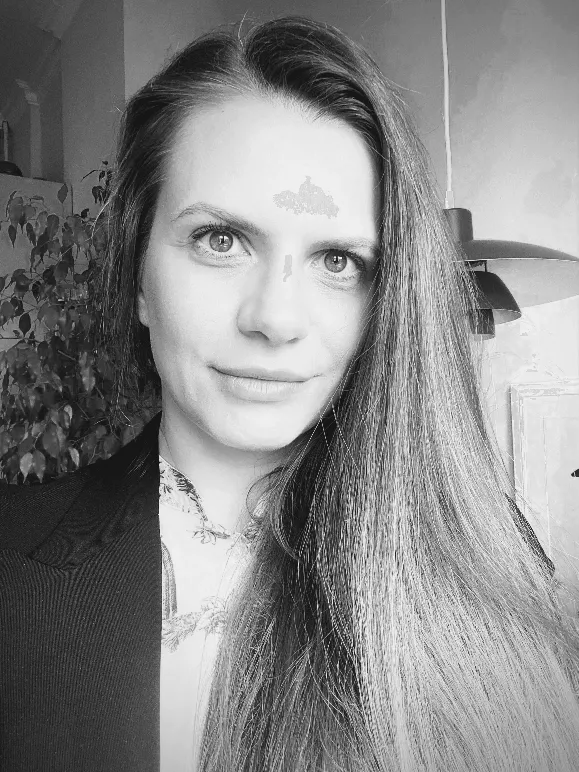 Anna Beata Kalisz Hedegaard Quantum Security Defence
 - Rules of engagement
- Chatham House Rule Chatham House Rule. Discussion is on the record; attribution is not. Participants may share what was said but not who said it.
- Format
- Structured Q&A Flexible between roundtable, structured Q&A or in-person hosted dinner
- Who Should Join
- This conversation is for legislators, senior regulatory officials, and policy advisors with direct responsibility for drafting or amending legal and regulatory frameworks that touch quantum technology, cryptographic security, or critical infrastructure. It is relevant to senior legal advisors to government and to policy researchers embedded in the legislative process. It is not for compliance officers who implement existing regulation, or for commercial organisations seeking regulatory intelligence. Participants are expected to be involved in the design of the frameworks, not their application.

About This Conversation
Why this matters now
The EU's NIS2 Directive, DORA, and AI Act have all created new cryptographic security obligations without explicitly addressing the quantum transition. The NIST finalisation of post-quantum standards in August 2024 provides the technical anchor for regulatory updating, but most national regulators have not yet amended their sector-specific guidance. Export control regimes, EAR, ITAR, and UK strategic export licensing, are under active review for quantum-related items, creating a policy window. The lag between regulatory intent and technical reality is widening.
Outcomes
What you will leave with
- A frank assessment from regulatory peers of where existing frameworks create quantum governance gaps and where they are inadvertently blocking legitimate allied collaboration
- A comparative view of how different jurisdictions are approaching the quantum regulatory update cycle: which regulatory bodies are moving and on what timeline
- Practical framing for the export control challenge: how to write controls that protect genuine national security assets without impeding the international standards collaboration that post-quantum cryptography depends on
- Peer experience from legislative advisors on the challenge of writing technology-specific law that does not become obsolete before it enters force
- A shared map of the inter-regulatory dependencies: where DORA, NIS2, AI Act, and sector-specific regulation create overlapping or contradictory quantum obligations that need coordination
Your Facilitator
Anna Beata Kalisz Hedegaard
Founder, QSECDEF
Anna Beata Kalisz Hedegaard has over 15 years of international experience in deep-tech, telecommunications, and defence communications networks. Her expertise spans intellectual property, advanced communications systems, and quantum secure communications. She has lived and worked across Poland, Denmark, the United States, Malaysia, the Netherlands, and Germany. Anna holds dual Master of Science degrees in Theoretical Cosmology from the University of Southern Denmark and Electrical Engineering from Wright State University, USA. She is the founder and board member of Quantum Security Defence.
View full profileExpert Membership
Industry Conversations are exclusive to Expert Members
Expert membership brings you into a closed community of senior security practitioners. Industry Conversations are included in the membership. Individual tickets are not available.
- Access to all Industry Conversations
- Speaker opportunities at the annual Paris Symposium
- Enhanced expert profile with lecture archive
- Advisory board nomination eligibility
- Co-branding opportunities and social amplification